
The construction material procurement process runs through eight stages: requisition, specification, supplier identification, quotation and comparison, approval and purchase order, production follow-up, quality verification, and delivery to site. Each stage produces a document the next stage depends on — skip one and the failure surfaces two stages later.
Procurement fails quietly. A vague requisition in week one becomes an ambiguous specification in week two, becomes a quotation nobody can compare in week four, becomes the wrong product on site in month four. By the time the problem is visible, the recoverable cost has already been spent.

The eight stages
| # | Stage | Output document | Control point |
|---|---|---|---|
| 1 | Requisition | Material requisition / BOQ extract | Is the quantity based on measured take-off or an estimate? |
| 2 | Specification | Specification sheet or schedule | Is every attribute a supplier needs actually stated? |
| 3 | Supplier identification | Approved supplier shortlist | Is each supplier verified, or just found? |
| 4 | Quotation & comparison | Comparison matrix | Are all quotes on the same Incoterm and same spec? |
| 5 | Approval & PO | Purchase order + payment terms | Is the PO tied to the approved sample? |
| 6 | Production follow-up | Production status reports | Do you know actual progress, or reported progress? |
| 7 | Quality verification | Inspection report | Was it inspected before the balance was paid? |
| 8 | Delivery & handover | Delivery note, documents, snag list | Do the delivered goods reconcile to the PO line by line? |
Stage 1 — Requisition: turn the programme into quantities
The requisition converts a construction programme into what must be bought and when. On a well-run project it comes from the BOQ or the measured take-off, not from memory.
Two things go wrong here more than anything else. The first is quantity without wastage allowance — tiles, boards and cladding all need a cutting allowance, and discovering that at 92% installed means a second, expensive, small order. The second is a required-on-site date set without working backwards through production and shipping. If your material is needed in week 20 and production is eight weeks with five weeks at sea, the order has to be placed by week 6, not week 12.
Control: every requisition line carries a quantity, a wastage allowance and a required-on-site date.
Stage 2 — Specification: make it quotable
A specification is quotable when a supplier who has never seen your project can price it without asking a question. Most cannot.
For construction materials, a quotable specification generally needs:
- Product type and variant
- Dimensions and thickness or profile depth
- Material grade or composition
- Finish, colour reference and surface treatment
- Applicable standard or test requirement
- Hardware, accessories and fixings included or excluded
- Packaging requirement
- Any performance criterion — fire rating, U-value, load, acoustic
If your project works to a named standard — ASTM, EN, BS, AS/NZS, GB — name it in the specification. A Chinese factory can usually produce to a foreign standard, but only if it is asked to at quotation stage. Adding it after the price is agreed is a variation, and it will be priced as one.
Related: How to write a material list or BOQ that Chinese factories can actually quote
Stage 3 — Supplier identification: shortlist, then verify
Finding suppliers is easy. Finding suppliers who can make your specification, at your quantity, to your standard, and export it correctly is the actual task.
Build a shortlist of three to four per category, then verify each one before you send the enquiry. Verification at this stage — business licence, production capability, export history, current certification — costs you a day and removes the suppliers who would have wasted three weeks.
For international sourcing, verification also means establishing whether you are dealing with a manufacturer or an intermediary, because that determines whether the specification can be changed at all.
Related: Supplier verification checklist: 12 things to confirm before you pay · Factory vs trading company: how to tell if your supplier is real
Stage 4 — Quotation and comparison: normalise before you compare
Quotations arrive in incompatible formats. One is EXW, one is FOB Shanghai, one includes packaging and one does not, one has a 500-unit MOQ and one has 2,000. Comparing the headline numbers compares nothing.
Normalise every quotation onto a single basis before comparison:
| Normalise | To |
|---|---|
| Incoterm | One common basis — usually FOB at a named Chinese port |
| Currency | One currency, one exchange rate, dated |
| Unit | The unit your BOQ uses — m², linear metre, set, piece |
| Packaging | Export-grade packing included in all quotes |
| Spec deviations | Listed explicitly, with the cost of bringing each quote back to spec |
Then compare on price, MOQ, lead time, payment terms and deviations together. The supplier who is 4% more expensive but ships four weeks earlier and needs no spec correction is frequently the cheaper option once the programme cost is included.
Related: What you are actually paying for: China building material price breakdown
Stage 5 — Approval and purchase order
The purchase order is where the specification becomes contractual. It should reference the approved sample by number, restate the specification rather than pointing vaguely at an earlier email, and state the payment trigger explicitly.
The payment structure matters more than the payment amount. A deposit with the balance due against inspection approval puts the leverage where it belongs. A balance due before loading, with no inspection clause, does the opposite.
Related: China supplier payment terms: deposit, balance, T/T and L/C explained
Stage 6 — Production follow-up
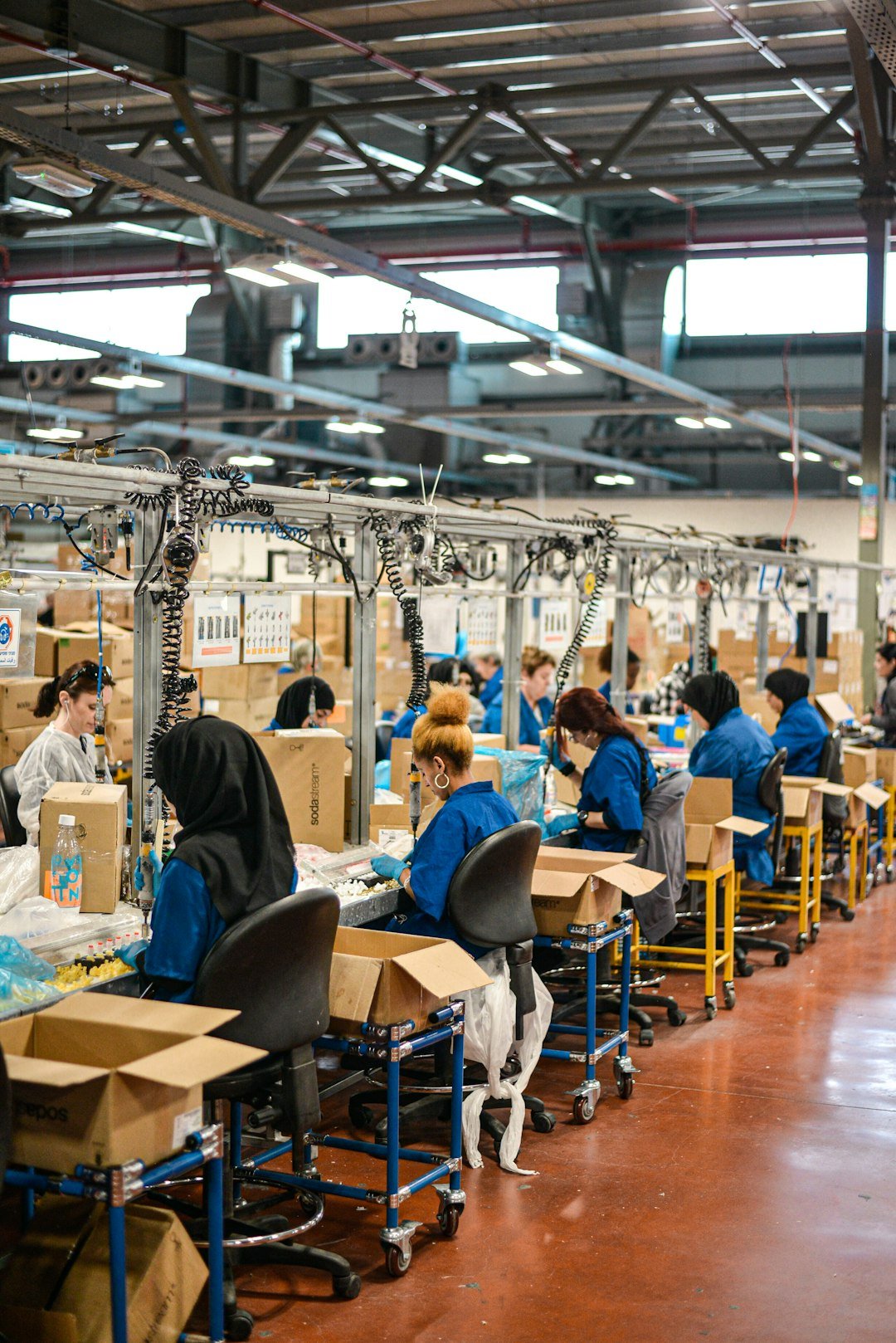
The period between deposit and inspection is where most schedule slippage occurs, and it is the stage buyers monitor least. A supplier who has not started production will still report that production is proceeding normally, because that is the answer that keeps the relationship comfortable.
Ask for evidence, not status:
- Raw material purchase confirmation at production start
- Dated photographs of work in progress at an agreed milestone
- Confirmed packing date, updated weekly in the final fortnight
A supplier who cannot produce a dated photograph of your goods in production has probably not started them.
Stage 7 — Quality verification before payment release
Inspection has to happen while the goods are in China and the balance is unpaid. Afterwards you are negotiating a claim rather than a correction.
The inspection is measured against three references: the purchase order, the approved specification, and the retained counter-sample. Without all three, the inspection becomes a matter of opinion.
Related: Pre-shipment inspection for construction materials · Quality inspection services in China
Stage 8 — Delivery, documents and handover
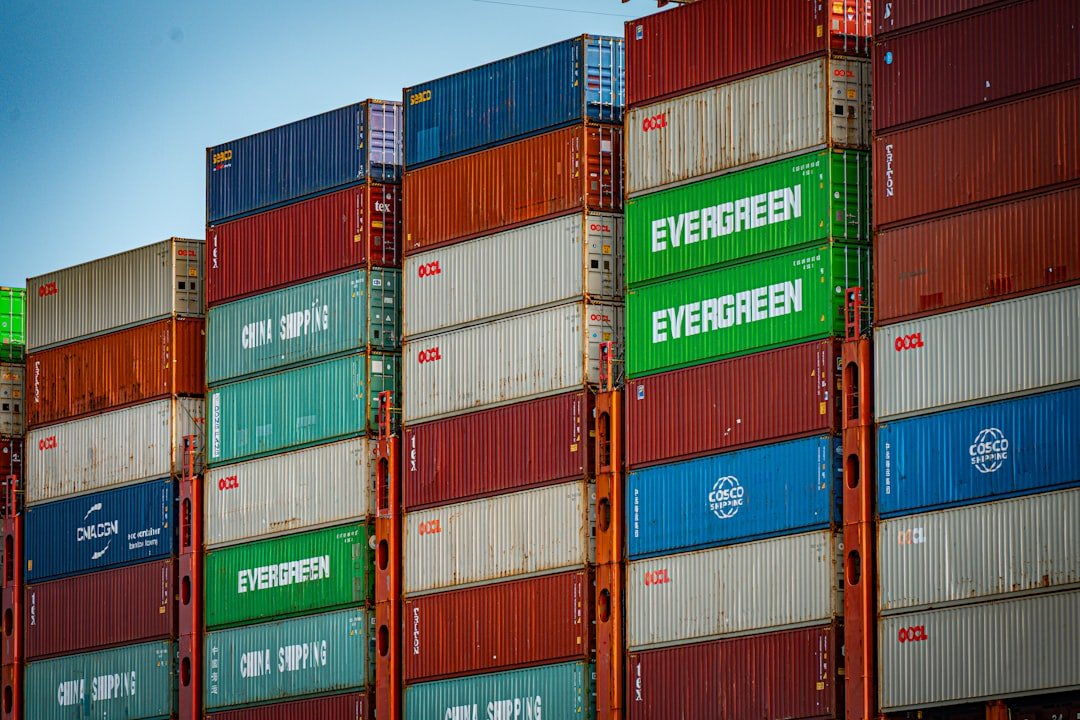
The final control is reconciliation. Delivered quantity against packing list, packing list against commercial invoice, invoice against purchase order. Any break in that chain is either a shortage you need to claim or a customs discrepancy you need to explain.
Log damage and non-conformance on arrival, with photographs, before the goods leave the delivery vehicle. Claims raised days later are materially harder to settle.
Where the process breaks on international orders
Domestic procurement forgives weak process because the supplier is close, the lead time is short, and a replacement can arrive next week. International procurement does not. Distance converts every small process gap into a six-week problem.
This is why the stages that seem optional — verification before enquiry, sample retention, inspection before balance payment, document reconciliation — are the ones that carry the entire risk of the order.
JEES Global runs these controls as a service for international buyers sourcing from China: factory verification before quotation, comparative quotations across two to four suppliers, pre-shipment inspection before the balance is released, and a reconciled document set at shipment. If you already have a BOQ or material schedule, stages 1 and 2 are done and the process starts at stage 3.
Frequently asked questions
Who owns the procurement process on a construction project?
Typically the procurement or commercial team, working from the QS take-off and the architect’s specification. On smaller projects it often sits with the project manager, which is where specification detail tends to get lost.
How far ahead should long-lead materials be ordered?
Work backwards from the required-on-site date through installation preparation, inland transport, sea freight, customs clearance and production. For imported materials this commonly puts the order date several months ahead of installation. Ask your supplier for the production lead time from deposit receipt, then add sea freight and clearance to it rather than assuming a single figure.
What is the difference between procurement and purchasing?
Purchasing is the transaction — raising the order and paying for it. Procurement is the whole process around it, including specification, supplier verification, quality control and delivery assurance.
Should the inspection happen before or after final payment?
Before. Inspection after final payment has no commercial leverage attached to it.
Send your material schedule
Send your BOQ, material schedule or drawings with the destination and required dates. You will get back verified supplier options and a normalised quotation comparison you can put in front of your commercial team.