
Chinese New Year shuts down most manufacturing for several weeks, and the disruption is considerably wider than the official public holiday. Capacity tightens for weeks beforehand as factories race to clear orders, and output stays below normal for weeks afterwards as workers return at their own pace. Plan a Q1 delivery against the holiday dates alone and you will miss.
The date moves each year because it follows the lunar calendar, typically falling between late January and mid-February. Confirm the exact dates for the year you are planning — and then treat them as the middle of the disruption window, not the whole of it.
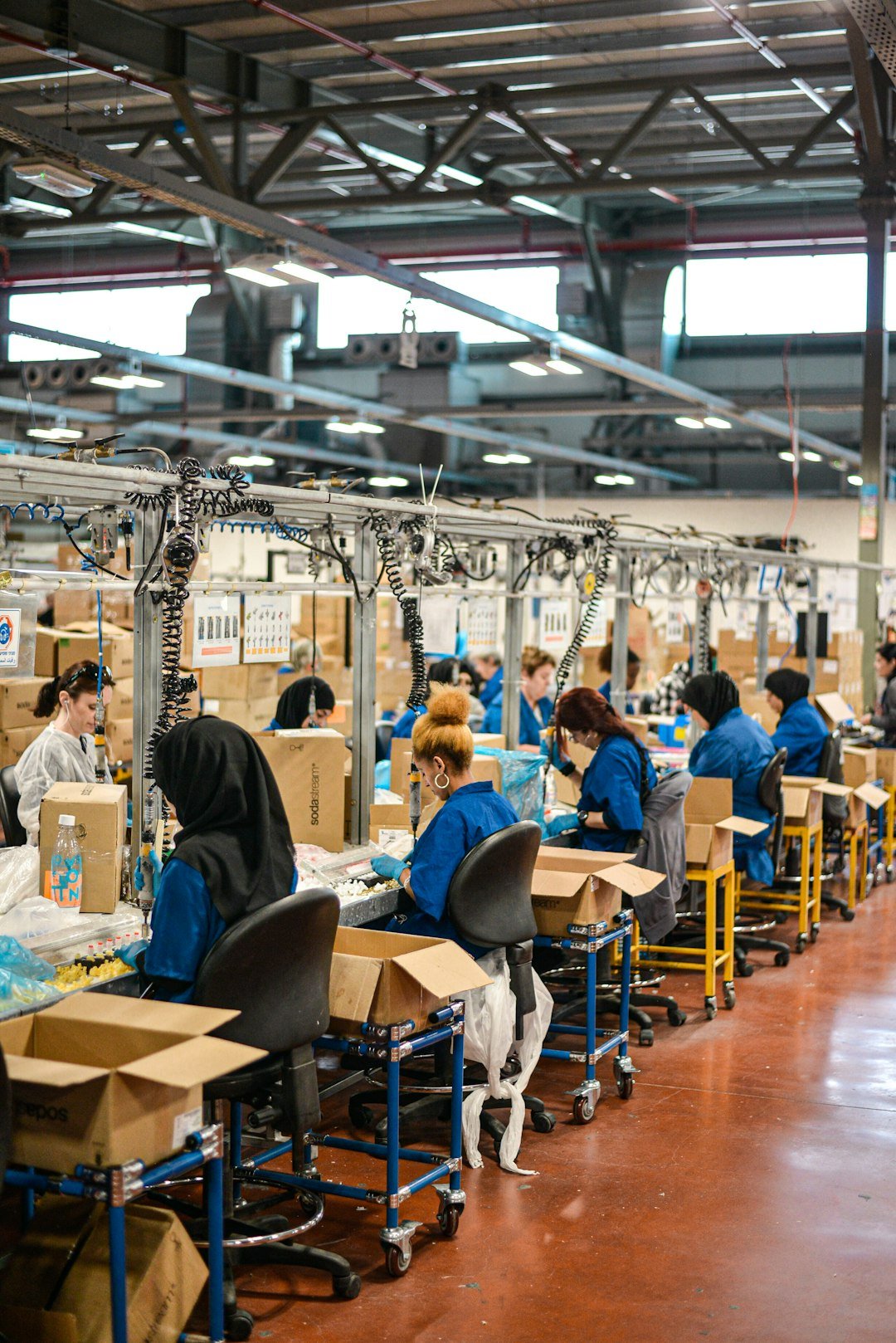
The four phases of disruption
| Phase | What happens | What it means for your order |
|---|---|---|
| Pre-holiday rush | Every exporter tries to ship before the shutdown | Production queues lengthen, freight space tightens, rates rise |
| Shutdown | Factories close; many workers travel home across the country | No production, no loading, limited communication |
| Slow restart | Workers return gradually; some do not return at all | Reduced output, possible quality variation as new staff are trained |
| Backlog clearing | Factories work through orders accumulated during the closure | Your order queues behind whatever was already committed |
The slow restart is the phase buyers underestimate. Migrant labour is a large part of the manufacturing workforce, and not everyone returns to the same employer. A factory operating at reduced headcount for several weeks after reopening is normal, and quality consistency can suffer while replacements are trained.
Freight, not just production
The shipping side compounds it. In the weeks before the holiday, everyone in China is trying to export at once. Container space gets scarce, rates climb, and bookings roll — meaning your confirmed booking gets bumped to a later vessel because the line has overbooked.
Ports also run reduced operations during the holiday itself. A container that reaches the terminal just before the shutdown may sit there rather than sail.
The practical consequence: “cargo ready before the holiday” is not the same as “shipped before the holiday”. Aim to have cargo loaded and sailed with real margin, not merely produced.
Related: Realistic lead times for building materials produced in China · FCL vs LCL for construction material shipments
Planning around it
Work backwards from the shutdown, not from your site date. If the material must ship before the holiday, the deposit has to be paid far enough in advance that production finishes with room for inspection, rework and loading — not just room for production.
Place long-lead items first. Custom tooling, certified products and anything requiring testing should be ordered well ahead of the seasonal crunch, because those are the items with no ability to absorb a compressed schedule.
Do not accept an optimistic pre-holiday commitment. A factory under pressure to win an order will promise a date it cannot hold. Ask what is already in their production queue ahead of you, and ask for the production start date rather than only the completion date.
Book freight early. Space is the constraint, not production, in the final weeks.
Consider shipping just after instead. If your programme allows, ordering for production after the restart avoids the rush entirely — you accept a later date knowingly rather than being surprised by one.
Inspect before the shutdown. Goods produced in the pre-holiday rush carry elevated quality risk, and if a problem is found during the closure, nothing can be corrected for weeks. Inspection timing matters more than usual here.
Related: Pre-shipment inspection for construction materials · The construction material procurement process, step by step
Quality risk in the rush
Two periods carry elevated defect risk: the days before the shutdown, when factories are pushing volume to clear orders, and the weeks after reopening, when lines are running with incomplete or newly trained crews.
If your production falls in either window, tighten the inspection rather than relaxing it. This is exactly the wrong moment to accept a factory’s own QC report in place of an independent check, and exactly the wrong moment to release the balance payment before inspection.
Related: Quality control checklist for importing tiles, sanitary ware and doors · China supplier payment terms
Other dates that affect production
Chinese New Year is the largest disruption but not the only one. National Day in early October brings a shorter public holiday with a similar if milder pattern. Regional and environmental production restrictions can also affect particular industries and provinces at particular times.
Rather than tracking all of this yourself, ask each factory at quotation stage for their holiday schedule and any planned production restrictions across your order window, and get it in writing alongside the lead time.
Communication during the shutdown
Expect little. Offices are closed, sales staff are travelling, and messages that get a same-day reply in November may get nothing for two weeks in February.
Close anything outstanding before the closure: specification questions, sample approvals, payment confirmations, document checks. An unresolved question going into the holiday costs you the entire shutdown period, plus however long the restart takes.
Managing a project order through the season
On a multi-category BOQ the seasonal problem multiplies. Eight factories, each with their own queue, their own restart pace and their own holiday schedule — and a consolidated container that cannot ship until the slowest of them finishes.
Sequencing that is part of what JEES Global manages on a project order: holiday schedules confirmed per factory at quotation stage, long-lead items released early, production followed against evidence rather than assurances during the crunch, and inspection timed so problems surface while there is still someone available to fix them. It runs across all 19 material categories from BOQ review onward.
Frequently asked questions
When is Chinese New Year?
It follows the lunar calendar and moves each year, typically falling between late January and mid-February. Confirm the exact dates for your planning year, and treat the disruption window as considerably wider than the official holiday.
How long do Chinese factories close?
The official public holiday is shorter than the practical shutdown. Many factories close for longer, and output remains below normal for some weeks after reopening as workers return. Ask each factory for its own schedule rather than assuming a standard period.
Should I avoid ordering before Chinese New Year?
Not necessarily — but order earlier than you otherwise would, book freight early, and inspect carefully. If your programme has flexibility, producing after the restart avoids the rush and its quality risk.
Will prices be higher around the holiday?
Freight rates typically rise in the pre-holiday rush because space is scarce. Factory pricing is less affected, but capacity pressure reduces your negotiating position.
Is quality worse during this period?
Risk is elevated in the pre-holiday push and during the restart with reduced crews. Neither makes poor quality inevitable, but both are reasons to tighten inspection rather than skip it.
Plan your production window
Send your material list with the required-on-site date. Factory holiday schedules will be confirmed per category and the order sequenced so the long-lead items are not the ones caught by the shutdown.