
Sanitary ware looks like the easiest category to inspect: it is white, it has a shape, and a defect is visible. In practice, three things fail often on imported orders. The glaze has flaws that only show under the right light, the toilet does not flush the way the specification says, and the product does not fit the plumbing it was bought for.
This guide explains how to control each point before the container is loaded. It applies to WC pans and suites, washbasins and similar ceramic products.
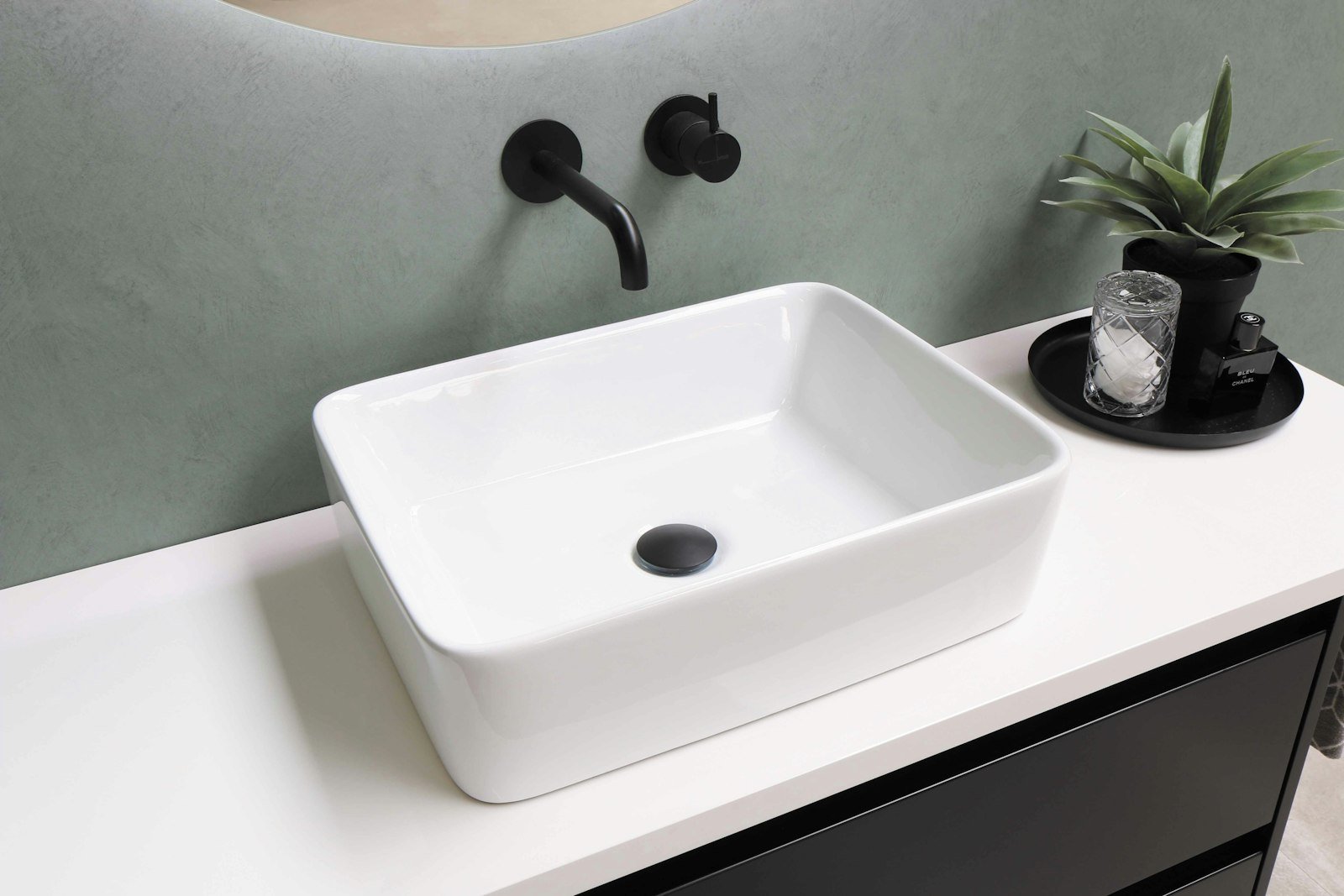
1. Glaze defects: define them before production
Ceramic glaze can show pinholes, specks, runs, crawling, colour difference or rough patches. Whether a flaw is acceptable depends on where it is, how large it is and how many there are, and a factory will not decide this in your favour unless it is written down.
- Define defect classes. List what counts as minor, major and critical, and where on the piece each is allowed (visible surfaces versus hidden ones).
- Inspect under controlled light. View from several angles under bright, even light. Bring the approved sample so inspectors compare against it.
- Check colour and gloss against the approved sample for each production lot, since white varies between kilns and glaze batches. See approved sample vs bulk production.
Do not copy defect limits from an article. Take them from your specification or the factory’s acceptance criteria and write them into the order.
2. Flush performance: ask for a witnessed test
A WC pan that looks right can still flush poorly. The European standard BS EN 997 specifies constructional and performance characteristics with test methods for close-coupled suites, one-piece and independent WC pans with integral traps, and covers requirements for flushing volume. The current edition is the 2018 one, which replaced the 2012 version with its 2015 amendment.
What to do in practice:
- State which standard or market requirement applies to your order (EN, or the one used in your country).
- Ask for the factory’s test report for the exact model and confirm the model number matches.
- At inspection, have an inspector witness a flush test on sampled pieces, and photograph the set-up and result.
- Check the cistern fittings, inlet valve and overflow on close-coupled suites, not just the ceramic.
Note that the standard does not apply to squatting toilets, WC pans without an integral trap, or flushing cisterns as separate appliances, so check which standard covers your product.
3. Fitment: trap, outlet and rough-in
A toilet that is perfect but does not fit the waste outlet is a total loss. Before ordering, confirm:
- Outlet type: horizontal (P-trap) or vertical (S-trap), and the rough-in distance your installations use.
- Connecting dimensions for your market. European connecting-dimension standards exist for WC pans and for washbasins, and your plumber or specification will name the one you need.
- Fixing hole positions, seat and cover fit, and cistern compatibility.
- Water-supply connection type and size.
Measure these on a sampled piece and compare with the drawing during inspection, then pair them with the tap, trap and waste fittings from your plumbing supplier. For the plumbing side, see our plumbing systems sourcing page.
Warpage and dimensional checks
Ceramic shrinks and can warp in firing. Check that basins sit flat on the vanity, that seat holes line up and that lids close evenly. Ask for dimension tolerances from the factory’s specification and measure a sample from each lot.
Packing: ceramics break at the edges
Specify inner packaging, corner protection and carton strength, and have drop-test or stacking requirements if the route needs them. Pair cisterns, lids and seats with the right pan by carton labelling. Our guides on export packaging and container loading supervision cover this. Sanitary ware is bulky rather than heavy, so it usually fills a container by volume. See container weight limits.
Inspection checklist for a sanitary ware order
| Check | Method | Evidence |
|---|---|---|
| Glaze and colour | Visual under bright light against approved sample | Photos with defect class |
| Flush performance | Witnessed test on sampled WC pans | Photos and record |
| Fitment | Measure outlet, rough-in and fixing holes against drawing | Measurement sheet |
| Flatness and size | Straight edge and tape on sampled pieces | Measurement sheet |
| Packing | Carton, corner protection, labelling | Photos before loading |
JEES Global sends a photo report within 48 hours of an inspection, so these findings reach you while the goods are still at the factory. The full process is in our quality control checklist for tiles, sanitary ware and doors, and the category overview is on the bathroom and sanitary ware page.
Frequently asked questions
What glaze defects are acceptable on sanitary ware?
That depends on the defect class, size, count and position you agree. Write the limits in the order and inspect against the approved sample.
How is a toilet’s flush performance checked?
Against the flushing requirements of the applicable standard, such as EN 997 in Europe, using the factory’s test report and a witnessed test on sampled pieces.
How do I avoid fitment problems?
Confirm outlet type, rough-in and connecting dimensions for your market before ordering, and measure a sample against the drawing.
Does sanitary ware usually fill a container by weight or by volume?
It is bulky, so it usually fills the container by volume. Check both limits for your order.
Related: Quality inspection in China