
Export & Shipping Support from China for Construction Materials
From partner factory to sealed container, JEES Global links pre-shipment inspection, the document pack, consolidation and loading into one controlled chain you can check at each stage. Carriers and forwarders move the cargo. The balance is released after the container is sealed and the documents reconciled, in line with the payment terms agreed at order.

The Problem
Where Construction Shipments Go Wrong After Production Ends
Problems on construction orders often appear not in production but in the gap between finished goods and a sealed container. Documents, packing and loading are handled by different parties. Buyers sourcing from several factories feel this most, because every shipment carries its own risks.
Document mismatches
Invoice, packing list and bill of lading show different quantities or descriptions. Discrepancies are the most common cause of avoidable customs delay at destination.
Short or damaged cargo
Cartons are miscounted or poorly packed, and nobody records what went into the container. Shortages and damage then surface only when the buyer opens the doors.
Unclear FOB and CIF quotes
Each factory quotes a different Incoterm and port, so totals cannot be compared. The buyer finds the real basis only after choosing a supplier.
Factories shipping separately
Tiles from one factory, fittings from another, doors from a third, each with its own timing and paperwork. Partial arrivals stall site work.
Paying the balance before proof
Suppliers often ask for the balance when goods are ready, not when they are loaded. The buyer pays first and checks later.
Packaging rule surprises
Solid-wood pallets or crates without ISPM 15 treatment can be held at destination. Requirements vary, so packaging needs checking before loading, not after.
The JEES Approach
One Chain From Factory Gate to Container Seal
Our export and shipping support from China gives importers, contractors and developers one controlled chain from factory gate to container seal. We coordinate partner factories, pre-shipment inspection, the document pack, our consolidation point and loading supervision. JEES Global is not the manufacturer, forwarder or customs broker.
Quotes are normalised to one Incoterm and one port, with FOB at a named port as the usual basis. The sourcing fee is quoted per project and shown separately. The balance follows the agreed payment terms and is released after loading is sealed and the document pack reconciled.
Factory verification
Partner factories checked before quotes are compared.
Inspection on the goods
Pre-shipment checks on the cargo itself.
One document pack
One set, checked against cargo and contract.
Consolidation point
Goods from several factories gathered at our warehouse.
Loading and seal
Supervised loading, seal number recorded against documents.
Balance release
Paid after seal and document reconciliation.
What We Cover
Everything Between Finished Goods and a Sealed Container
Each item below links to a detailed page on checkpoints and requirements. Together they work as a China export documentation service and shipping coordination layer around your sourcing, so the goods, the paperwork and the container describe the same shipment.
Proforma invoice, commercial invoice, packing list, bill of lading and certificate of origin are checked against each other and against the goods before release.
Carton strength, palletising, edge protection and solid-wood treatment are reviewed with the factory before loading, so packing suits the handling route and meets the destination rules you confirm with your broker.
Test reports, certificates and origin forms your product and destination may require are identified early and checked against the goods. Confirm requirements with your broker.
Inspection on the finished goods covers specification, quantity, finish and packing, with non-conformances reported and corrected before the container is loaded.
Container condition, cargo presented, loading, securing, completion and seal are checked, and the loading report follows the same day the container is sealed.
Consolidation and Phased Shipments
Goods from several factories are gathered at our consolidation point, or released in phases that match project stages on whole-project orders, with documents reconciled for each container.
A full container suits large orders, while LCL suits smaller material lists. We set out both options so you can compare handling and risk, then confirm freight cost with your forwarder.
Quotes are normalised to one Incoterm and one port. FOB at a named port is the usual basis, with CIF and DDP discussed as options.
Production, inspection and loading dates are set against your site programme using dates the partner factory confirms, so shipment timing is planned rather than assumed.
Product prices are normalised to one Incoterm and port, so you can add your forwarder's freight quote and compare totals. Duty, taxes and destination charges are confirmed with your customs broker.
If goods arrive short or damaged, the loading report, photographs and document pack give a factual record to review with the supplier.
Before quotes are compared, partner factories are checked, backed by more than 1,200 factory visits. Factories quote only after their capability is checked.
Shipment Types
Shipments and Terms We Coordinate
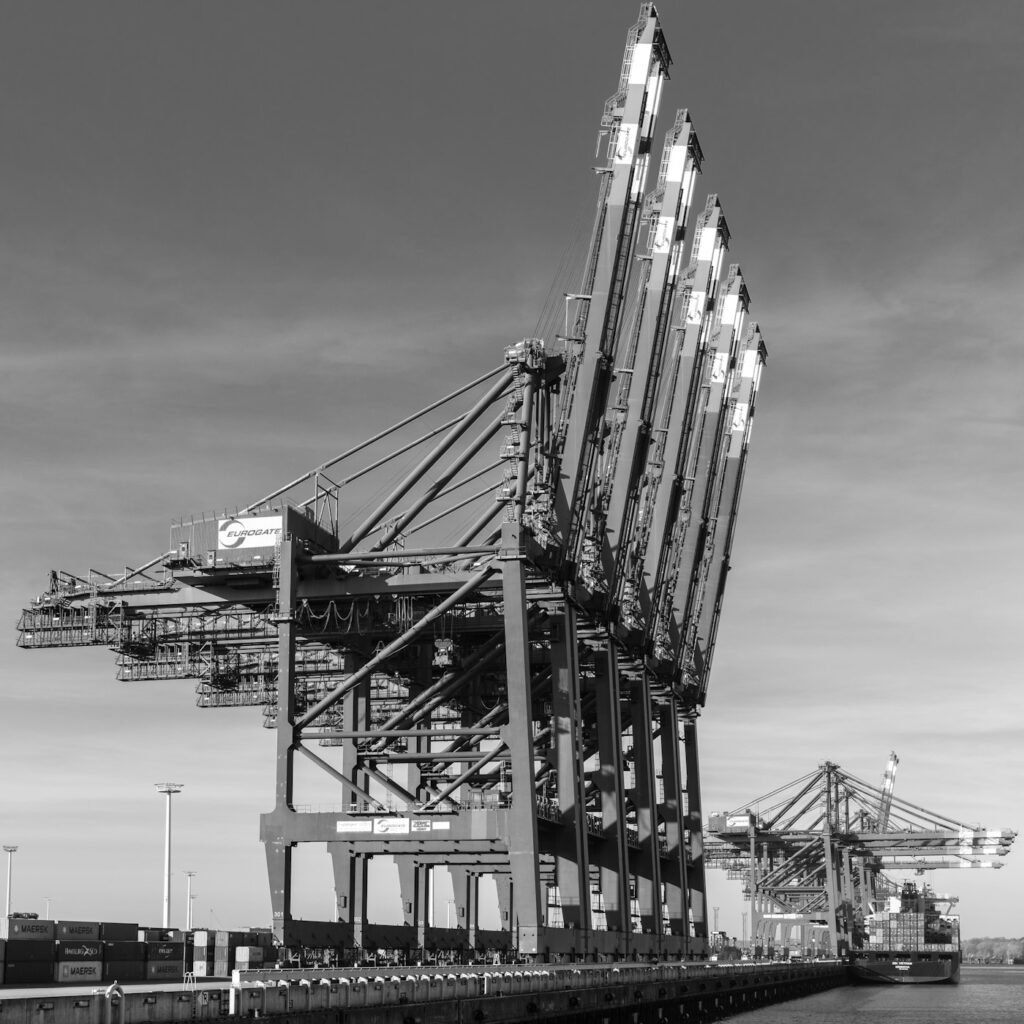
Whether you need one full container or staged deliveries, the chain stays the same. Our container consolidation in China gathers building materials from several partner factories at our consolidation point, where they are checked and loaded together.
How It Works
Eight Stages From Finished Goods to Departure
Every shipment follows the same eight stages, each with a defined checkpoint. Start by sending a BOQ or material list with your destination port, and we agree the shipping basis before any factory is committed.
Production complete
The partner factory confirms production is complete. On multi-factory orders, each factory's goods are inspected at the factory or at our consolidation point before loading.
Pre-shipment inspection
Inspection is carried out on the goods themselves, against the approved specification, quantity and packaging, not on paperwork alone.
Non-conformances corrected
Reported non-conformances are corrected by the factory, and loading waits until corrections are confirmed. Photographs stay with the inspection record.
Loading supervision
Container condition, cargo presented, loading, securing, completion and seal are checked, and the loading report is compiled for you.
Seal applied
The container is sealed and the seal number is recorded against the document pack. The loading report is delivered the same day.
Balance released
The balance is released after loading is sealed and the document pack is reconciled, in line with the payment terms agreed at order.
Documents issued
The supplier issues the commercial invoice and packing list, the carrier or forwarder issues the bill of lading, and an authorised body issues the certificate of origin. We check the full set against each other and against the goods before it goes to you and your customs broker.
Vessel sails
The vessel departs on the booking made under the agreed Incoterm. You hold the full document set for destination clearance by your broker.
Side by Side
Separate Shipments vs One Controlled Chain

What You Get
Records You Can Use at Container Seal
You receive records you can act on. The loading report arrives the same day the container is sealed, and the seal number is recorded against the document pack, so your broker and your finance team work from the same reconciled records.
FAQ
Export & Shipping Support: FAQs
01 Is JEES Global a freight forwarder?
- No. JEES Global is a construction-material sourcing and supply-coordination company. Our export and shipping support coordinates factories, inspection, documents, consolidation and loading. Carriers and forwarders move the cargo, and your customs broker clears it at destination. We are also not the manufacturer or the importer of record.
02 Which documents does a construction-material shipment need?
- A standard export set is the proforma invoice, commercial invoice, packing list, bill of lading and certificate of origin. Some products add test reports, a fumigation or phytosanitary certificate, an insurance certificate, an inspection certificate, a preferential origin form such as Form E, or an import licence. Mismatches between documents are the most common cause of avoidable customs delay.
03 Should I choose FOB or CIF?
- FOB at a named port is the usual basis: you control freight and insurance, and the price stops at loading. CIF includes freight and insurance to your port, so compare it with FOB plus your own freight quote. DDP can be discussed, but under DDP the seller controls how goods are declared and valued. We normalise quotes to one Incoterm and one port.
04 Can you consolidate goods from several factories?
- Yes. Goods from several partner factories can be gathered at our consolidation point, checked and loaded into one container, or released in phases to match project stages. The shipment date then depends on the last factory to finish, so production dates are planned together at the start.
05 Who books the ocean freight?
- It depends on the Incoterm agreed in the quotation. Under FOB, your nominated forwarder normally books the main carriage, and we share cargo readiness dates with them. Where CIF or DDP is discussed, the booking party is stated in the quote. JEES Global itself is not a carrier or forwarder.
06 Do you handle customs clearance at destination?
- No. Clearance at destination is handled by your customs broker, and JEES Global is not the importer of record. We coordinate the export side and check that the documents match each other and the goods, so your broker receives a consistent set to work from.
07 Is wooden packaging treated?
- Solid-wood pallets, crates and dunnage generally must meet ISPM 15, meaning heat treatment or fumigation and an IPPC mark. Plywood and OSB are generally exempt. Requirements vary by destination, so confirm them with destination customs or your broker, and tell us early so packaging is reviewed with the factory before loading.
08 What happens if goods arrive damaged or short?
- Report it promptly with photographs and the container and seal details. The loading report, seal number and document pack show what left the factory and how the container was closed. We use that record to review the case with the supplier. Outcomes depend on the agreed terms and the evidence available.
09 How do I start?
- Send your BOQ, material list or drawings with the destination country and port, rough quantities and your preferred Incoterm if known. We review the specification, ask for missing details and set out the shipping basis. You can also message us on WhatsApp or email sourcing@jeesglobal.com to discuss before sending files.
Start Your Shipment Plan
Send Your BOQ and Destination Port
If you plan to ship construction materials from China, send your BOQ, material list or drawings with the destination country and port. We review the specification, ask for what is missing and set out the shipping basis, with the sourcing fee shown separately.
Get a Project Quote
Required fields marked with *