
Export packaging for building materials shipped from China must survive six to eight weeks at sea, several mechanical handlings, humidity swings and the weight of whatever is stacked on top of it. Domestic Chinese packaging is not designed for any of that, and unless you specify export-grade packing in writing, domestic packing is often what you get.
Packaging is the cheapest insurance in the entire order and the line buyers most often leave to the factory’s discretion. Breakage arriving on site is not a shipping problem. It is almost always a packing specification problem.
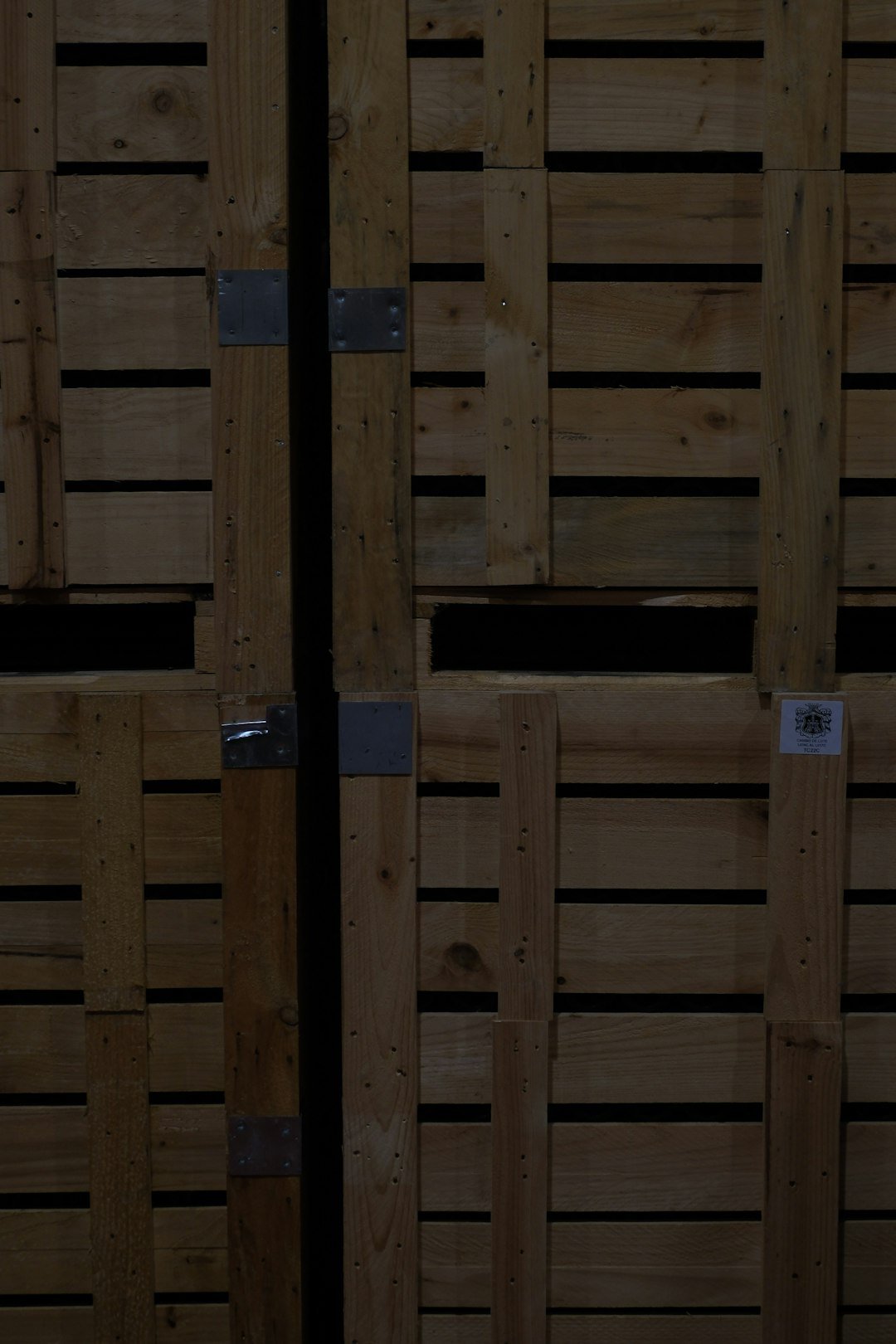
What sea freight actually does to cargo
A container is not a gentle environment. Over a typical voyage your goods experience:
- Vibration and shock — continuously, for weeks, at sea and on the road at both ends
- Compression — from everything stacked above, which is why carton stacking strength matters
- Humidity and condensation — container rain forms when warm humid air inside meets cool steel walls
- Temperature swings — a steel box in tropical sun gets very hot; crossing latitudes cycles it repeatedly
- Mechanical handling — forklifts at the factory, the consolidation warehouse, the terminal, the destination port and your site
Condensation is the one buyers underestimate. Timber, boards, cartons, unfinished metal and anything hygroscopic will absorb moisture in transit. Rust on hardware, swollen board edges and mould on packaging are all container-rain damage, not seawater.
Packing levels, and what to specify
| Level | What it means | Suits |
|---|---|---|
| Domestic packing | Basic carton, minimal protection, designed for a short truck journey | Nothing you are shipping internationally |
| Export carton | Stronger board, higher stacking strength, taped and strapped | Light, robust goods — fittings, hardware, accessories |
| Palletised | Cartons on a pallet, stretch-wrapped and strapped as one unit | Most mid-weight goods; keeps handling off individual cartons |
| Crated | Timber crate or frame around the goods | Heavy, fragile or high-value items — glass, stone, sanitary ware, assembled units |
| Full case with internal bracing | Crate plus internal blocking so nothing moves inside | Anything that must not shift — machinery, large glazed units |
Specify the level, not the outcome. “Suitable for export” means nothing; “palletised, stretch-wrapped, corner-protected, edge-banded, max 1.2m stack height” means something.
The packing specification checklist
Include these in the enquiry, not after the price is agreed — packing changes priced later are variations:
- Inner protection — foam, corner guards, interleaving paper, bubble wrap, individual bagging
- Carton specification — board grade, wall type, stacking strength
- Units per carton and carton dimensions and weight
- Pallet or crate — size, construction, whether goods are strapped to it
- Moisture protection — desiccant, moisture barrier bags, VCI film for bare metal
- Edge and corner protection — critical for tiles, boards, glass and framed units
- Strapping and wrapping
- Maximum stack height and whether the units are stackable at all
- Markings — see below
- Spares — a small percentage of extra tiles, glass or fragile components costs little now and saves a reorder later
Related: How to write a material list or BOQ that Chinese factories can actually quote
ISPM 15 — the one that stops containers
Wood packaging material used in international trade — pallets, crates, dunnage, bracing — generally has to be treated and marked under ISPM 15, the international phytosanitary standard published by the International Plant Protection Convention. Treated wood carries a stamped mark showing the treatment and the producer code.
Untreated or unmarked wood packaging can result in the consignment being held, treated at your cost, or refused entry at destination. Requirements vary by country, so confirm what your destination enforces with your customs broker — but as a working rule, specify ISPM 15 compliant wood packaging in the purchase order and ask for photographs of the stamp before loading.
Plywood and processed board are generally treated differently from solid timber under the standard. If you want to avoid the question entirely, specifying plywood or pressed-wood pallets is one route — confirm acceptability for your destination first.
Markings: what goes on the outside
Carton and crate markings are what make a mixed container usable at the other end. Without them, your site team opens forty identical boxes to find the door hinges.
| Marking | Purpose |
|---|---|
| Your PO number and line item | Reconciliation against the order |
| Product description and variant | Identification without opening |
| Quantity in the carton | Counting at delivery |
| Carton number of total (e.g. 14/120) | Detecting shortages immediately |
| Gross and net weight, dimensions | Handling and reconciliation to the packing list |
| Country of origin | Required in most destinations |
| Handling symbols | Fragile, this way up, keep dry, stacking limit |
| Destination or project reference | Sorting on arrival, especially on multi-site projects |
Markings must reconcile exactly to the packing list. A mismatch between carton counts and the packing list is one of the most common causes of avoidable customs delay.
Related: How to calculate landed cost on building materials from China
Category notes
Tiles and stone. Heavy, brittle, and damaged at the edges and corners. Cartons on pallets, strapped, with corner protection, and a strict stack height. Large-format slabs need A-frames or crates, never flat stacking.
Glass and glazed units. Crated with internal bracing, edge-protected, transported on edge rather than flat. Specify the crate construction explicitly.
Sanitary ware. Individually foam-packed inside cartons, then palletised. Ceramic chips at the rim and the foot. Ask for the polystyrene insert specification.
Doors and joinery. Moisture is the enemy. Moisture-barrier wrapping, edge protection on all four sides, and flat stacking with bearers. Hardware bagged and labelled separately, not loose in the box.
Hardware and metal fittings. VCI film or desiccant against rust. Bare or plated steel will corrode in container humidity without it.
Aluminium and profile sections. Interleaved with protective film, bundled, and end-capped. Surface scratching in transit is the common failure.
Related: Quality control checklist for importing tiles, sanitary ware and doors
Verify the packing before the container is sealed
Packing is checked at the same moment as the goods — during pre-shipment inspection, while the balance is still unpaid. The inspection should confirm the packing matches the specification, the markings match the packing list, the ISPM 15 stamp is present on wood, and the cartons are actually sealed and strapped rather than merely closed.
Once the container doors shut, packing quality becomes something you find out about at destination.
Specifying and then verifying packing across a multi-supplier order is part of what JEES Global handles: one packing standard applied across every factory in the order, checked before consolidation, so goods from eight suppliers arrive in one container packed to one specification rather than eight. It runs across all 19 material categories, including the fragile ones — tiles and flooring, glass systems and sanitary ware.
Frequently asked questions
Is export packaging included in the quoted price?
Frequently not. Ask explicitly whether the unit price includes export-grade packing, and get the packing specification stated in the proforma invoice.
What is ISPM 15 and do I need it?
It is the international standard for treating wood packaging material to prevent pest transfer. Most destinations require treated and marked wood packaging for solid timber pallets and crates. Confirm the specific requirement for your country with your customs broker.
How much breakage should I expect on tiles or sanitary ware?
Some is normal on any fragile cargo, but the rate is largely a function of packing quality and handling. Rather than budgeting for a fixed percentage, specify the packing properly and order spares for critical items.
What causes rust on hardware that arrived in a sealed container?
Container condensation. Warm humid air trapped at loading condenses on cool steel walls at sea. Desiccant and VCI film prevent it; nothing else reliably does.
Can I specify my own carton markings?
Yes, and you should. Give the factory the exact marking format at enquiry stage, including your PO number and carton numbering, and require photographs of marked cartons before loading.
Specify your packing requirements
Send your material list with the destination port. Quotations will come back with the packing specification stated per line, so export packing is priced in rather than discovered later.