
Container loading supervision is the last point at which anything can still be corrected. Someone attends the loading, confirms that what goes into the container matches the packing list, checks how it is stowed and secured, records the container and seal numbers, and photographs the process. Once the doors are sealed, you are relying on documents and hope.
Pre-shipment inspection checks the goods. Loading supervision checks that those goods — all of them, undamaged, correctly stowed — actually get into the box. They are different jobs, and the second one is skipped far more often.
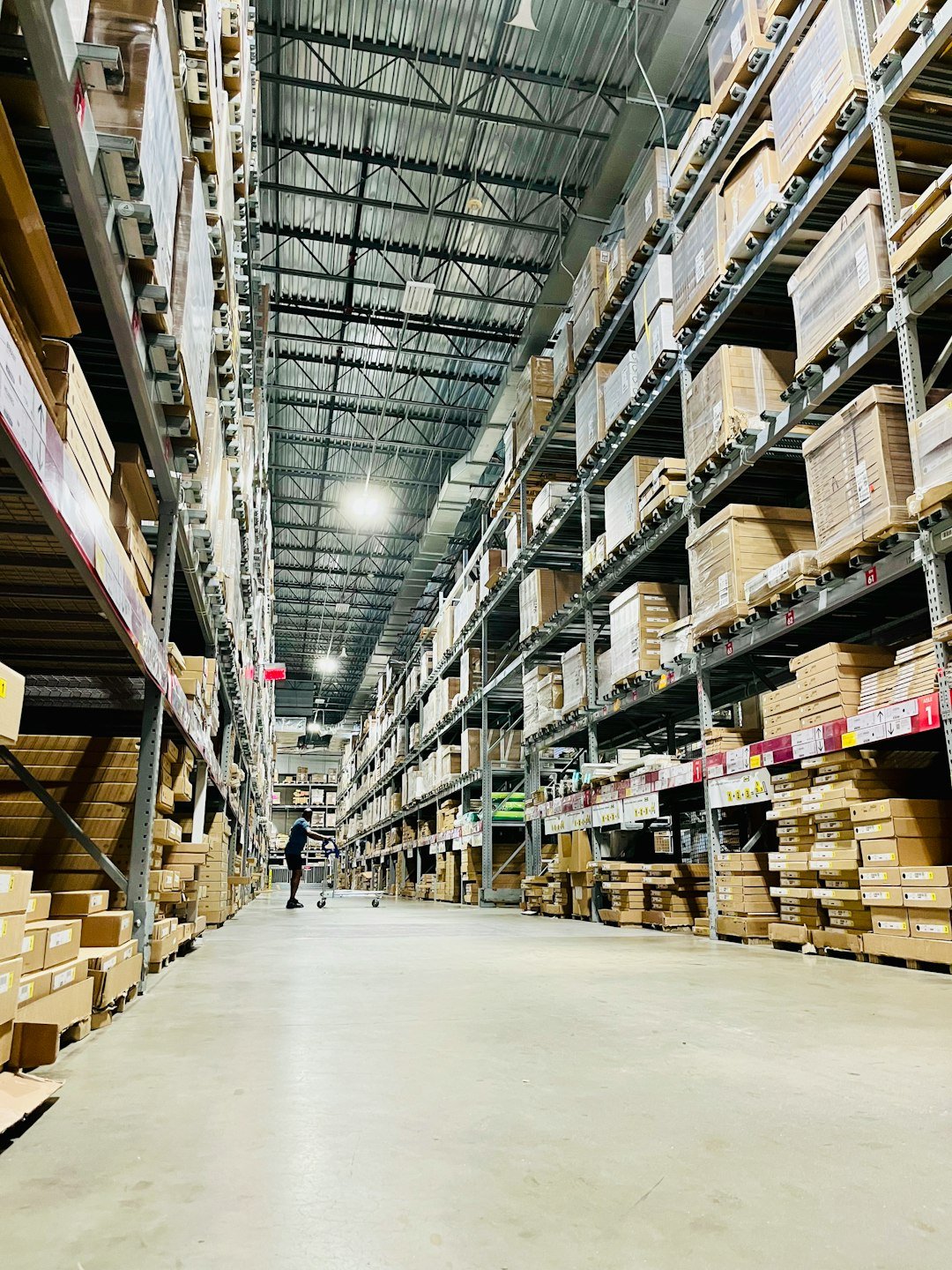
What loading supervision covers
| Stage | What is checked |
|---|---|
| Before loading | Container condition — holes, dents, previous cargo residue, odour, water ingress, working door seals; container number recorded |
| Cargo presented | Carton counts, markings against the packing list, packing condition, any damage before it goes in |
| During loading | Stacking order, weight distribution, heavy items low, fragile items protected, no crushing |
| Securing | Dunnage, bracing, airbags, straps — whether the load can shift in transit |
| Completion | Final count, door closure, seal applied and seal number recorded |
| Report | Photographs throughout, container and seal numbers, count confirmation, any exceptions noted |
The container condition check at the start is the one most often treated as a formality. A container with a roof hole will deliver wet cargo six weeks later, and by then nobody can prove when the water got in.
What actually goes wrong at loading
Short shipment. The packing list says 120 cartons and 114 go in. Discovered at destination, this is a claim against a supplier who will say the count was correct at their end.
Substitution at the last moment. Cartons from a different batch, a different colour run, or a different product entirely, added to make up a count.
Crushing. Heavy tile pallets stacked on cartons of sanitary ware or light fittings. This is the single most common cause of arrival damage on mixed building material containers.
Unsecured load. Cargo loaded loose with gaps and no bracing shifts in transit. A container that is stowed tight arrives intact; one with a metre of free space at the doors does not.
Damage during handling. Forklift punctures, dropped pallets, torn wrapping. Caught at loading, it is replaced; discovered at destination, it is an argument.
Wet or contaminated container. Previous cargo residue, chemical odour, damp floors.
Wrong seal or unrecorded seal. If the seal number on the bill of lading does not match the seal on the doors at arrival, you have a customs problem and a possible insurance problem.
Related: Export packaging for building materials: what to specify before loading
Stowage for mixed building material loads
A container carrying one product is easy. A container carrying tiles, doors, sanitary ware, lighting and hardware from five factories needs a loading plan.
- Heavy and dense at the bottom — tiles, stone, steel. Distributed evenly, not concentrated at one end.
- Weight distribution matters legally — an unevenly loaded container can exceed axle limits on the road at destination even when total weight is within limits.
- Fragile and light on top, with nothing stacked on it.
- Flat goods flat, edge goods on edge — glass and large-format slabs travel on edge, never flat.
- Fill the voids — dunnage, airbags or bracing so the load cannot move.
- Doors loaded last, secured properly — the door end is where shifting cargo does its damage.
- Group by unloading sequence where the site needs certain items first.
That last point is worth planning on project shipments. Loading in reverse order of what is needed on site turns a container into a sequenced delivery rather than a puzzle.
The loading report
The output should be a document you can actually use, containing:
- Date, location, and who attended
- Container number and type
- Photographs of the empty container interior, all sides and roof
- Photographs of cargo before loading, showing markings
- Photographs at intervals during loading
- Photograph of the fully loaded container before doors close
- Photograph of the sealed doors with the seal number legible
- Final carton count against the packing list
- Any exceptions, damage or discrepancies noted
Item 7 is small and matters disproportionately. A legible photograph of the applied seal, matched to the number on the bill of lading, is the evidence that the container was intact when it left China.
Related: What is a China quality inspection report and how to read one · Export documents you need when importing building materials from China
Where it sits in the sequence
The order that gives you leverage runs: production complete → pre-shipment inspection on the goods → any non-conformances corrected → loading supervision → seal applied → balance payment released → documents issued → vessel sails.
Inspection and loading supervision are usually separate visits, sometimes days apart, because goods pass inspection at the factory and are then trucked to a port or consolidation warehouse for loading. On a single-factory order they can occasionally be combined. On a consolidated multi-supplier shipment they cannot — the inspections happen at each factory and the loading happens once, at the consolidation point.
Related: Pre-shipment inspection for construction materials · China supplier payment terms
When it is worth the cost
Loading supervision is not free and it is not always necessary. It earns its cost when:
- The container is consolidated from several suppliers — the highest-risk case by a wide margin
- The cargo is fragile: tiles, glass, stone, sanitary ware
- Carton counts are high and a short shipment would be hard to prove
- It is a new supplier with no track record
- The value is significant relative to the supervision cost
- Site sequencing matters and the loading order needs planning
For a small repeat order of robust goods from a factory you have used for years, it is reasonable to skip it. For a first mixed-category project container, it is the last inexpensive control available before the cargo is out of reach.
Supervision on a consolidated shipment
Consolidation is where loading supervision does the most work, because the container is being filled from several deliveries that arrive separately and have never been in the same place before. Counts have to reconcile across multiple packing lists, stowage has to account for very different product types, and the final document set has to match what physically went in.
This is part of what JEES Global handles on consolidated orders: goods received and checked at the consolidation point, a loading plan built around weight, fragility and unloading sequence, the load supervised and photographed, and the seal number recorded against the reconciled document pack before the balance is released. It runs across all 19 material categories, alongside quality inspection.
Frequently asked questions
Is loading supervision the same as pre-shipment inspection?
No. Pre-shipment inspection checks the goods against the specification and the approved sample. Loading supervision checks that those goods are counted, stowed and secured correctly into the container, and records the container and seal numbers.
Do I need both?
On a fragile, high-value or consolidated shipment, yes. On a small repeat order of robust goods from a trusted factory, inspection alone is often enough.
What is a seal number and why does it matter?
The seal is a numbered tamper-evident lock applied to the container doors. The number is recorded on the bill of lading. If it does not match at arrival, the container has been opened in transit, which is both a customs and an insurance issue.
Can the factory just send me loading photographs?
They can, and it is better than nothing. What it does not give you is an independent count, a container condition check before loading, or any record of what was rejected.
What happens if the count is short at loading?
It gets corrected there and then — which is the entire point. The missing cartons are located and loaded, or the packing list and invoice are amended before documents are issued, rather than becoming a claim months later.
Request loading supervision
Send your material list and destination port. Loading supervision can be arranged alongside pre-shipment inspection, with a photographed loading report and seal record issued before the balance is released.