
Order a sample before production, approve it in writing with a reference number, and keep a physical counter-sample — the golden sample — in your own possession. That retained sample is the only objective reference you will have when the bulk shipment arrives and something looks different.
Buyers skip this step more often than any other, usually because a sample costs money and adds two weeks. Both are true. Both are trivial against the cost of discovering a colour mismatch across 2,000 m² of tile that has already been paid for and shipped.
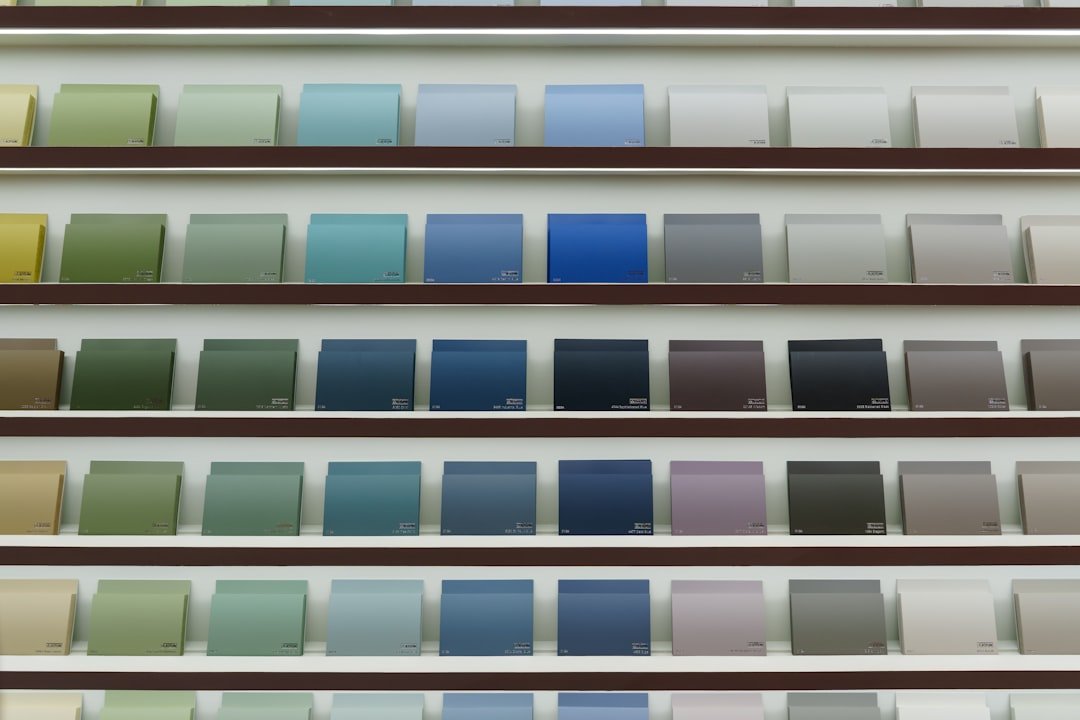
The four kinds of sample
| Sample type | What it is | When to ask for it |
|---|---|---|
| Stock sample | An existing product the factory already makes | Early, to judge general quality and finish standard — cheap and fast |
| Custom sample | Made to your specification | Before any custom production order — this is the one that matters |
| Pre-production sample | Made on the actual production line, from the actual batch materials | Large orders, or where consistency across a batch is critical |
| Shipment sample | Pulled from the finished production run | Repeat orders, to confirm the new batch matches the last one |
The distinction between a stock sample and a custom sample catches people out. A factory sends a beautiful stock sample, the buyer approves it, and then production runs to the buyer’s specification — which is not what the sample was. Always confirm in writing which one you have been sent.
What a sample actually tests
A photograph tells you shape and approximate colour. A sample tells you everything a photograph cannot:
- Colour under real light. Screens lie. So do showroom lights. Look at the sample in daylight and under the lighting the product will actually live in.
- Finish and texture. Matt, satin, gloss, brushed, embossed — the difference between specification and reality is tactile.
- Weight and substance. A door leaf, a tap body, a hinge. Weight is a fast proxy for material quality and wall thickness.
- Hardware feel. How a handle turns, how a drawer runner glides, how a lock engages. No specification captures this.
- Edge and joint quality. Where corners are cut, they are cut at the edges — literally.
- Dimensional accuracy. Measure it. If the sample is already out of tolerance, the production run will be worse.
Sample cost and who pays
Expect to pay for the sample and the courier. This is normal and it is not a red flag — a factory producing a one-off custom item is running a setup for a single unit.
Three things to establish in writing before you order one:
- Is the sample cost credited against a production order? Many factories do this. Ask rather than assume.
- Does the sample price include the courier? International express on a heavy sample — a tap set, a tile box, a window corner section — can exceed the sample cost itself.
- Is tooling required? If a custom profile or mould is needed for the sample, that cost is separate again, and it usually is not refundable.
For heavy or bulky categories, ask for a corner section or a cut piece rather than a full unit. A 300mm corner of a window frame shows you the profile, the wall thickness, the finish and the weld quality, and it ships for a fraction of the cost of a complete window.
Related: What you are actually paying for: China building material price breakdown
Approving the sample properly
Verbal approval is not approval. A sample approval that will stand up later needs:
| Element | Why |
|---|---|
| A reference number | So the purchase order and the inspection can both cite it |
| Date of approval | Establishes which version was approved when specifications change |
| Photographs from several angles | Evidence if the physical sample is later lost or disputed |
| Written list of any approved deviations | If you accepted something different from the spec, record it |
| A retained counter-sample | Kept by you, sealed and labelled, not returned to the factory |
| Acceptable variation range | Especially for natural materials where exact matching is impossible |
That last point matters for stone, timber and anything with natural grain or veining. No factory can deliver 400 m² of marble identical to one sample tile. What you can specify is an acceptable range — and the honest way to do that is to approve two samples representing the lightest and darkest acceptable extremes, rather than one sample and a hope.
Keep the counter-sample yourself
The single most common failure is approving a sample and sending it back, or letting the factory keep the only copy. When the container arrives and the colour is off, you are then arguing from memory against a supplier holding the physical evidence.
Keep your own. Seal it, label it with the reference number and date, and store it until the goods are delivered and accepted. If a dispute arises, that sealed sample is what the argument turns on. It is also what the pre-shipment inspection measures the production batch against — without it, the inspector has only the written specification, which cannot describe a colour or a finish precisely enough to settle anything.
Related: What is a China quality inspection report and how to read one · Quality control checklist for importing tiles, sanitary ware and doors
Sample lead times and your programme
Sampling sits on the critical path and is routinely left out of the programme. The realistic sequence is: request the sample, wait for production, wait for courier, review, request changes, wait for a revised sample, approve. Two rounds is common on anything custom. Three is not unusual.
Build that into the schedule rather than discovering it. If the material is needed on site in week 20, the sample request cannot wait until week 10.
Related: The construction material procurement process, step by step
Warning signs at sample stage
The sample round tells you a great deal about the supplier, beyond the product itself:
- Repeated delays with vague explanations. If they are slow on a sample they want to win, they will be slower on production they have already been paid for.
- A sample that does not match the specification, sent without comment. This is the behaviour that produces a wrong container.
- Reluctance to make a custom sample at all. Often means the factory cannot actually produce your specification and intends to subcontract it.
- A sample noticeably better than the quoted price supports. Sometimes a genuine showcase piece; sometimes a sample sourced from a different, better factory than the one that will produce your order.
Related: Factory vs trading company: how to tell if your supplier is real · 7 costly mistakes buyers make when sourcing materials from China
Samples across a multi-category order
On a project BOQ the sampling problem multiplies quickly. Eight categories, eight factories, eight sample rounds, eight couriers, and often two rounds each — sixteen international shipments arriving separately over six weeks, each needing review against a different part of the specification.
Consolidating that is part of what JEES Global handles on a project order: samples collected from several factories, checked against the specification in China before they go anywhere, and shipped together so you review the full material palette in one sitting rather than piece by piece. That also means a sample that obviously fails the specification is caught and returned to the factory before it ever costs you a courier charge and a fortnight. The process runs across all 19 material categories, alongside BOQ review and pre-shipment inspection.
Frequently asked questions
Do I have to pay for samples from Chinese factories?
Usually yes, plus courier. Many factories credit the sample cost against a subsequent production order — ask whether yours does, and get it in writing.
How long does a custom sample take?
It depends heavily on the category and whether tooling is involved. Ask the factory for the sample lead time at enquiry stage and treat it as part of your programme, not as a separate small task.
What is a golden sample?
The approved reference sample, retained and sealed, against which the production batch is judged at inspection. It should be in your possession, labelled with a reference number and approval date.
Can I approve a sample from photographs?
For a repeat order of a product you already know, sometimes. For anything new or custom, no — colour, finish, weight and hardware feel are the attributes that go wrong, and none of them survive a photograph.
What if the bulk order does not match the approved sample?
That is precisely why the counter-sample and the written approval exist. With both, and with the balance payment tied to inspection, you have grounds to require correction before shipment rather than a claim afterwards.
Request sample coordination
Send your material list or specification. Samples will be collected from verified factories, checked against your specification in China, and shipped together so you review the whole palette at once.