
Tiles look simple to import: standard sizes, standard cartons, a known product. Yet tile orders are where buyers most often discover a shade mismatch after the floor is laid, or find that “600×1200” means three slightly different sizes inside one container.
This guide covers the three problems that matter most on a porcelain tile order from China, and what to write into the purchase order and inspection plan to control them.
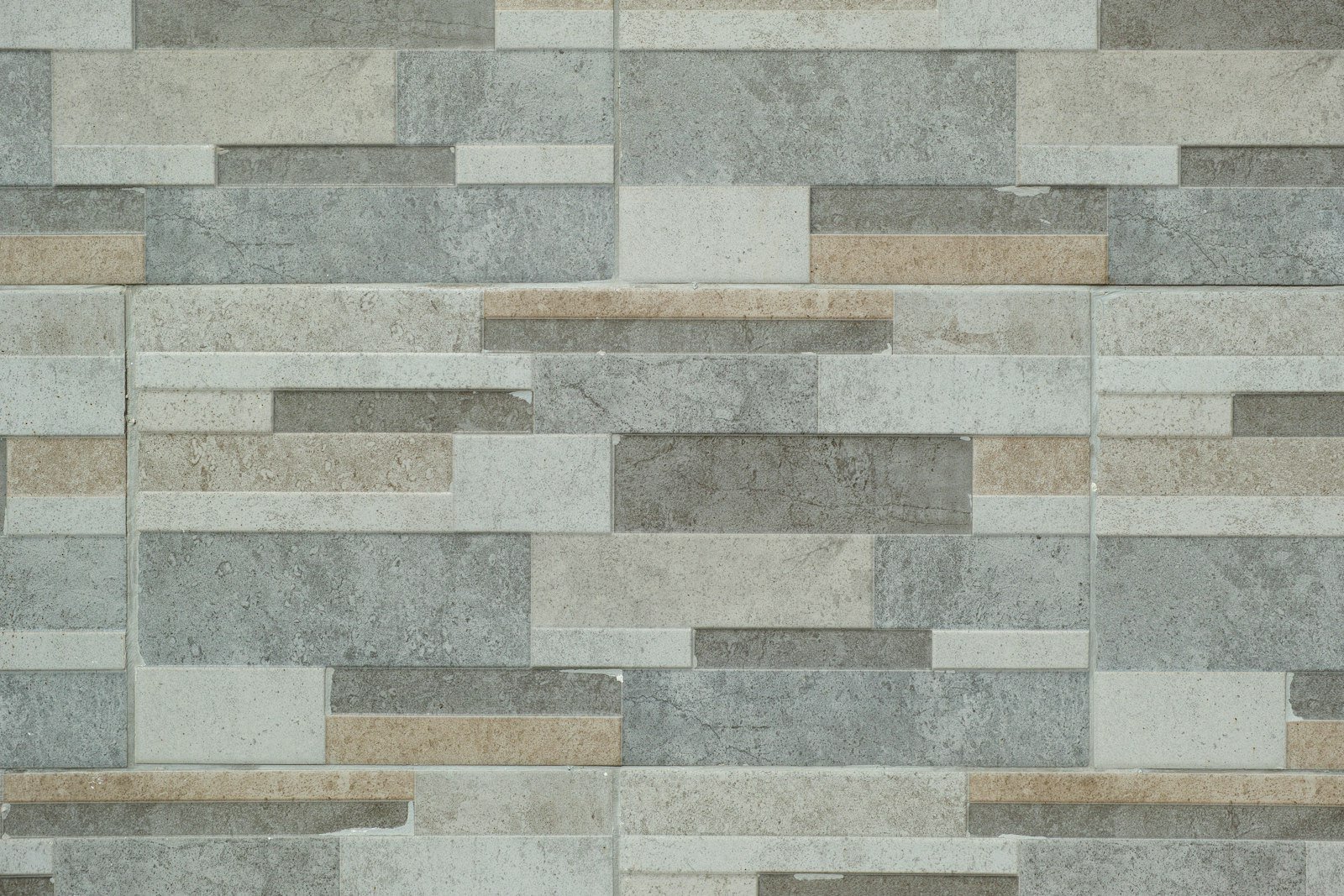
Problem 1: shade differences between batches
Shade variation often shows only after grouting, and only in some light. Glossy white is the hardest case. Tilers on public forums repeat the same warning: the same carton type does not guarantee the same batch, and pallets topped up from different batches are a common cause.
What to control:
- Signed shade reference. Approve one master tile or sample set per colour. A digital image or a single sample tile is not proof of shade for a large order.
- One shade, one caliber per order line. Put this sentence in the PO, and cap how many batch codes one order may contain.
- Code-pure pallets. Cartons and pallets labelled by batch, shade and caliber code, never mixed.
- Same-lot supply for phases. Ship all phases of a project from the same lot where timing allows, and reserve extra boxes from that code for repairs.
- Mock-up. For large areas, lay a small mock-up from production tiles and approve it before the rest ships.
For disputes, instrumental colour measurement under ISO 10545-16 (small colour differences on plain glazed tiles) is the usual reference. Agree beforehand which shade-variation class the order accepts.
Problem 2: size, flatness and “within tolerance”
Suppliers often answer complaints with “within tolerance” without naming a figure. Settle the limits before production, not after.
- Rectified or calibrated? Rectified tiles are ground after firing, so tolerances are tighter. This decides the minimum grout joint your installer can use. For a US reference, the Ceramic Tile and Stone Consultants note that ANSI A108.02 gives average running-bond joints of at least 3.2 mm for rectified tile and at least 4.8 mm for calibrated tile when a side exceeds 380 mm (CTASC lippage guide). These are US figures, so check your local standard.
- State flatness, squareness and edge straightness separately from nominal size. Dimensions and surface quality, including flatness, are covered by the ISO 10545-2 series.
- Large rectangular tiles in a running-bond layout. Require the mock-up and a longer-edge warpage limit before production. Warpage turns into lippage and narrow joints on site.
- Factory lot measurements. Ask for the factory’s own measurements per production lot against the agreed limits, then compare them at inspection.
Do not take tolerance numbers from this article. Take them from the factory’s technical sheet or the standard that applies in your market, and write them into the order.
Problem 3: breakage and mixed loads
Packing decides breakage more than the tile does. Specify the loading plan: heavier items low, no mixed-thickness stacks without protection, edge and corner protection, pallet strapping and a photograph record before the container door is closed. Our guide to export packaging for building materials covers carton and pallet specifications, and container loading supervision covers the last checkpoint.
Do not accept a percentage breakage allowance from a supplier without a written basis. Instead, agree a claim procedure: a damage-notice window, photo evidence at destination and who bears transit risk under your Incoterm. See making the claim for a damaged, short or wrong shipment and FOB, CIF or DDP.
Inspection plan for a tile order
| Stage | What to check |
|---|---|
| Before production | Signed shade sample, size and flatness limits, batch and caliber rule in the PO |
| During production | First pieces off the line against the master tile, lot measurements |
| Pre-shipment | Cartons opened from several pallets, shade and size compared with the reference, carton labels and codes photographed, loading plan agreed |
Sampling follows a plan such as ISO 10545-1, and the major-defect threshold and acceptance level should be agreed in the order. For a checklist version of the full process, see the quality control checklist for tiles, sanitary ware and doors and approved sample vs bulk production. JEES Global sends a photo report within 48 hours of an inspection, so shade and carton-code photos reach you before the container is loaded. See also flooring and tiles sourcing.
Mistakes that cause most claims
- Approving shade from a screen image or one sample tile.
- Accepting several shade or caliber codes in one order without a plan.
- Leaving tolerance as “within standard” without numbers.
- Skipping the mock-up on large formats.
- No claim procedure written before shipping.
Anti-dumping duties and import rules for tiles change by country and over time. Check the current position with your customs broker before booking.
Frequently asked questions
What is the difference between shade variation and a defect?
Shade variation is a difference in colour that may be acceptable up to an agreed limit. It becomes a defect when it exceeds the limit approved in writing before production.
Can tiles from one carton still differ in caliber or shade?
A carton normally holds one batch, but a pallet or an order may not. Require one shade and one caliber per order line and code-pure pallets.
Calibrated or rectified porcelain: what changes?
Rectified tiles are ground after firing and have tighter tolerances, which allows narrower joints. Calibrated tiles need wider joints. Confirm which one you need before you quote.
Who sets acceptable warpage and size tolerance?
You do, in the purchase order, using the factory specification and the standard that applies in your market.
What should I do if a container arrives with broken tiles?
Photograph the container and pallets before unloading, record the damage within the notice window, and follow the claim route agreed under your Incoterm.