
“The product meets local standards” is the most common line in a supplier quote and the least useful. Each import market has its own conformity scheme, its own certificate and its own point in the shipment where the paperwork must exist. A certificate that is valid in one country may mean nothing in another.
This guide maps the schemes named by official bodies for six markets, then gives the checks that apply whichever market you import into. For the general picture, start with product certification and compliance when importing from China.
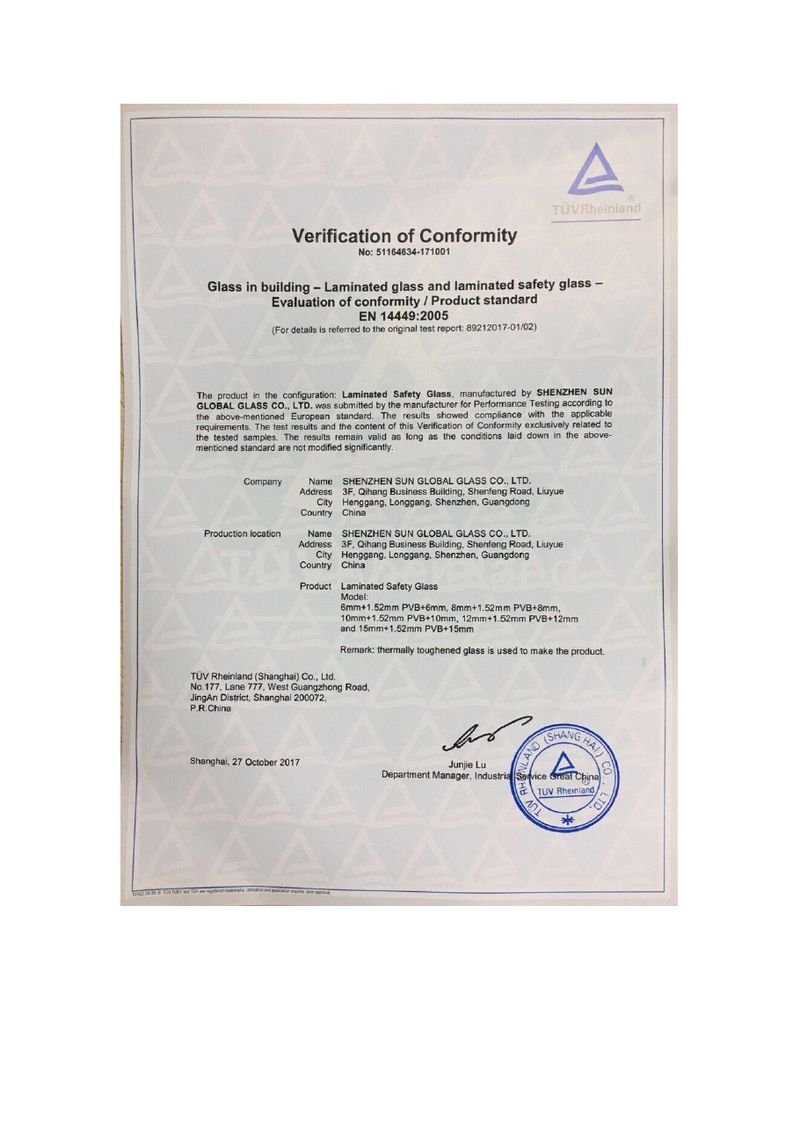
Schemes by market (official sources)
Rules change, so use the linked official page as the final check before you order.
| Market | Scheme and body | What it means for the shipment |
|---|---|---|
| Great Britain | Construction products regulation guidance (MHCLG, enforced by OPSS) | UKCA, CE or both accepted for most construction products. Official guidance |
| European Union | Regulation (EU) 2024/3110, replacing the 2011 regulation | In force since 7 January 2025, with the main part applicable from 8 January 2026. European Commission page |
| United Arab Emirates | ECAS, run by MOIAT | Regulated products need a UAE Certificate of Conformity. MOIAT service page |
| Nigeria | SONCAP, run by SON | Pre-shipment verification for regulated imports, with certificates issued by independent accredited firms. SON page |
| Kenya | PVoC, run by KEBS | A Certificate of Conformity, with Routes A, B and C described in the PVoC manual, version 15 (19 February 2026). See also the KEBS overview |
| Australia | WaterMark, run by the ABCB | Covers plumbing and drainage products only. Scheme overview |
Saudi Arabia uses the SABER platform for conformity, but the official pages we could verify are several years old, so confirm the current product-certificate and shipment-certificate steps with SASO or your clearing agent before ordering. United States: we could not confirm a single national scheme for all building products, and requirements depend on product type and state or project code, so check the specification and local code for each category.
Whether a scheme applies to a given product, such as windows, tiles or steel, depends on the product list the regulator publishes. Check the list, not the general page.
Five checks that apply in every market
- Name the scheme before the quote. Put the destination certificate requirement in the RFQ, so every supplier prices it in.
- Check the certificate scope. It should name the exact product, model and the factory that makes it, not only a trading company.
- Verify with the issuer. Ask the issuing body or the approved certifier to confirm the certificate is genuine and current. A supplier’s PDF is not proof.
- Separate product certificate from shipment certificate. Some schemes need one per product and another per consignment. Confirm which applies and who applies.
- Treat validity against ship date as a loading checkpoint. An expired certificate on loading day can stop the shipment at destination.
Also align the HS code, the document set and the certificate scope before booking. See export documents you need when importing building materials from China. Decide who files the importer-side registration, as the factory will not do it by default.
Verify test reports, not just certificates
A test report should show the exact model, the standard and test method, the laboratory and the date. Ask the issuing laboratory to confirm it. If the model number or thickness on the report differs from your order, treat it as unverified.
Can a sourcing company obtain the certificate?
That depends on the scheme. In many, the importer or the factory is the applicant. Ask your sourcing partner which party files, what it costs and how long it takes for your product and market, and get this in writing before the order. See our guide on what a factory audit covers for how a factory’s approvals are checked on site.
Frequently asked questions
Which certificate does a Nigerian or Kenyan importer need?
Nigeria’s regulator describes SONCAP, and Kenya’s describes PVoC with a Certificate of Conformity. Which products fall under each depends on the regulator’s product list.
Does a CE mark work for Great Britain and the EU?
Great Britain accepts UKCA, CE or both for most construction products. The EU requires compliance with its own regulation. Check the product standard for your category.
Is the certificate per product or per shipment?
It depends on the scheme. Some require a product-level certificate and a shipment-level one. Confirm with the regulator.
Can a sourcing company get the certificate for me?
Sometimes the factory or importer must apply. Ask who files, and put it in the order.
How do I verify a supplier’s test report?
Match the model, standard and date to your order, then ask the issuing laboratory to confirm it.
This article is general guidance. Customs, tariff and certification rules change, so confirm the current position with the official body or your customs broker.
Related: Export and shipping support