
A pre-shipment inspection checks a finished production lot against your specification before the container is sealed, using AQL random sampling to confirm dimensions, finish, quantity, packaging, and certificates. It is the last chance to catch a defect while the factory, not you, still owns the goods.
This guide covers what a pre-shipment inspection for construction materials includes, how AQL sampling works, when to schedule it, and why it is the single most valuable check in China sourcing.
What a Pre-Shipment Inspection Is
A pre-shipment inspection is an independent check of the finished goods before they ship. It happens when production is complete and the order is packed, giving you a clear pass, hold, or reject decision while the goods are still in the factory’s hands.
The timing is the point. Catch a defect before the container is sealed and the factory reworks it. Catch it after arrival and you carry the cost, the delay, and the argument. The inspection moves that risk back to where it belongs.
Why Factory Self-Inspection Is Not Enough
A quality report written by the team being paid for the order is not an independent check. It confirms the factory is comfortable shipping, nothing more. Self-reports use pass or fail ticks, not measured values, and rarely sample across the full lot.
Independent inspection records measured values against every critical dimension, samples randomly across the whole production run, and photographs defects in daylight where site conditions expose them. That is a different exercise from a factory ticking its own boxes.
This gap is one of the most common costly sourcing mistakes, and it is entirely avoidable.
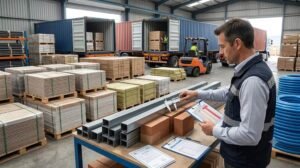
What a Pre-Shipment Inspection Covers
A thorough inspection works through several checks, each mapped to your specification and recorded with evidence.
| Check | What It Confirms |
|---|---|
| Dimensions and tolerances | Measured values against spec, not pass/fail ticks. |
| Finish and material | Coating, color, texture, and material grade match the order. |
| Function tests | Hardware operation, drainage, or continuity where relevant. |
| Quantity | The full ordered quantity is present and correct. |
| Packaging | Cartons and pallets can survive export transit. |
| Certificates | CE, SGS, ISO, and mill certs reconcile to the goods. |
How AQL Sampling Works
AQL, the Acceptance Quality Limit, defines how many samples to check and how many defects are acceptable. Under ISO 2859-1, a random sample is drawn across the full lot and defects are classified critical, major, or minor, then counted against agreed limits.
The value of AQL is objectivity. Instead of an inspector checking a few boxes at the front of the line, a defined sample size and acceptance limit give a repeatable, defensible result. The AQL is agreed in writing before the visit, not decided on the day.
Defect classes under AQL
- Critical: renders the product unusable or unsafe.
- Major: affects function or appearance, likely to be rejected on site.
- Minor: small deviation unlikely to affect use.
What the AQL numbers mean
Each defect class gets its own acceptable limit. A common setup is 0 critical, AQL 2.5 for major, and 4.0 for minor defects. AQL 2.5 means the lot passes if no more than about 2.5% of the sampled units carry a major defect. Most buyers use Inspection Level II, the standard balance of sample size, cost, and confidence. Level I samples fewer units for less cost and less certainty; Level III samples more for higher confidence on critical orders.
How Much a Pre-Shipment Inspection Costs
A standard pre-shipment inspection in China costs roughly $150 to $350 per man-day. A man-day covers one inspector’s full day of on-site work, travel, and the report. Most single-factory orders need one man-day; large, multi-category, or technical orders may need more.
Set against the value it protects, the fee is small. A single rejected container of construction materials can cost far more than a year of inspections, which is why experienced buyers treat inspection as a fixed part of every order, not an optional extra.
When to Schedule the Inspection
Schedule the inspection when production is complete and the order is packed, but before the container is sealed. Too early and unfinished goods cannot be judged. Too late and defects are already in transit. The window is after packing, before loading, typically when goods are 80 to 100% finished.
For higher-risk orders, inspection can also run during production to catch tolerance drift early. For most orders, a single pre-shipment inspection at the packed stage, followed by loading supervision, covers the risk.
The output of the visit is a China quality inspection report, which records every result and the final decision.
What a Pre-Shipment Inspection Cannot Catch
An inspection checks what is visible at the moment of inspection, and no more. A clean report is powerful, but it has limits worth understanding so you do not over-trust it.
- Latent defects that only appear after weeks of use or stress.
- Invisible material substitution, a cheaper material that looks identical needs lab testing to detect.
- Run-to-run drift, a clean inspection on this order says nothing about the next.
This is why a factory audit and consistent inspection on every shipment work together. The inspection confirms this order; the audit confirms the factory can repeat it, and lab testing confirms what the eye cannot see.
What Happens If the Inspection Fails
A failed inspection gives you a hold or reject decision with the evidence to act on it. You then decide the next step: rework at the factory, sort and ship, partial acceptance, or full rejection, all while the goods are still in the factory’s hands.
This is the whole reason the inspection happens before shipment. The leverage to demand rework exists only while the factory still holds the goods and awaits your balance payment. After the container ships, that leverage is gone.
Loading Supervision: The Final Step
Much of the damage to construction materials happens on loading day, not in transit. Crushed corners, scratched glass, and dented profiles are usually loading-day problems. Loading supervision documents the loading plan, lashing, container number, and seal, with a full photo set.
Without supervision, the carrier inherits the blame for damage that happened before the container was even sealed. Supervision closes that gap and completes the chain of evidence from production to departure.
| How JEES Global Runs Your Inspection
JEES Global writes the inspection brief from your PO and spec, runs AQL sampling under ISO 2859-1 Level II, reconciles certificates to the goods, supervises loading, and returns a full independent inspection report with photo evidence within 48 hours. It runs as a standalone service on any factory in China, whether or not the order was sourced through us. Send your PO or material list to book an inspection. |
Frequently Asked Questions
What is a pre-shipment inspection?
A pre-shipment inspection is an independent check of finished goods against your specification before they ship, using AQL random sampling to confirm quality, quantity, packaging, and certificates. The sampling method follows the ISO 2859-1 standard, the recognized international benchmark for acceptance sampling.
When should a pre-shipment inspection happen?
When production is complete and the order is packed, but before the container is sealed. This timing lets you catch defects while the factory still holds the goods and can rework them, rather than discovering problems after arrival.
How much does a pre-shipment inspection cost?
A standard inspection runs about $150 to $350 per man-day in 2026, with most single-factory orders needing one man-day. For construction materials this is almost always worth it, because a single rejected container can cost far more than the fee, so the check works as inexpensive insurance against the largest hidden cost in importing.
Can I inspect goods I sourced without a sourcing company?
Yes. Pre-shipment inspection runs as a standalone service on any factory in China, regardless of who placed the order. You submit the specification and the inspection is carried out against it.
What is AQL in a pre-shipment inspection?
AQL, the Acceptance Quality Limit, sets how many units to sample and how many defects are acceptable, classified critical, major, or minor. It gives an objective, repeatable result agreed in writing before the inspection.
Inspect Before the Container Ships
A pre-shipment inspection is the last point where a defect is the factory’s problem, not yours. To have your next order checked against its specification before it sails, send your PO or material list to JEES Global and get an inspection brief, AQL sampling, and a full photo report within 48 hours.