
China’s building material industry is clustered by product, not spread evenly across the country. Ceramics and sanitary ware concentrate around Foshan in Guangdong, stone and timber trade through Linyi in Shandong, lighting through Zhongshan, and steel structures across Jiangsu, Hebei and Shandong. Knowing the hub narrows a supplier search from thousands of listings to a specific industrial district.
This clustering is not a curiosity. It is the most useful piece of sourcing information a buyer can hold, because it tells you three things at once: where the real factories are, where the supporting supply chain sits, and which port your cargo will realistically leave from.
Why Chinese manufacturing clusters the way it does
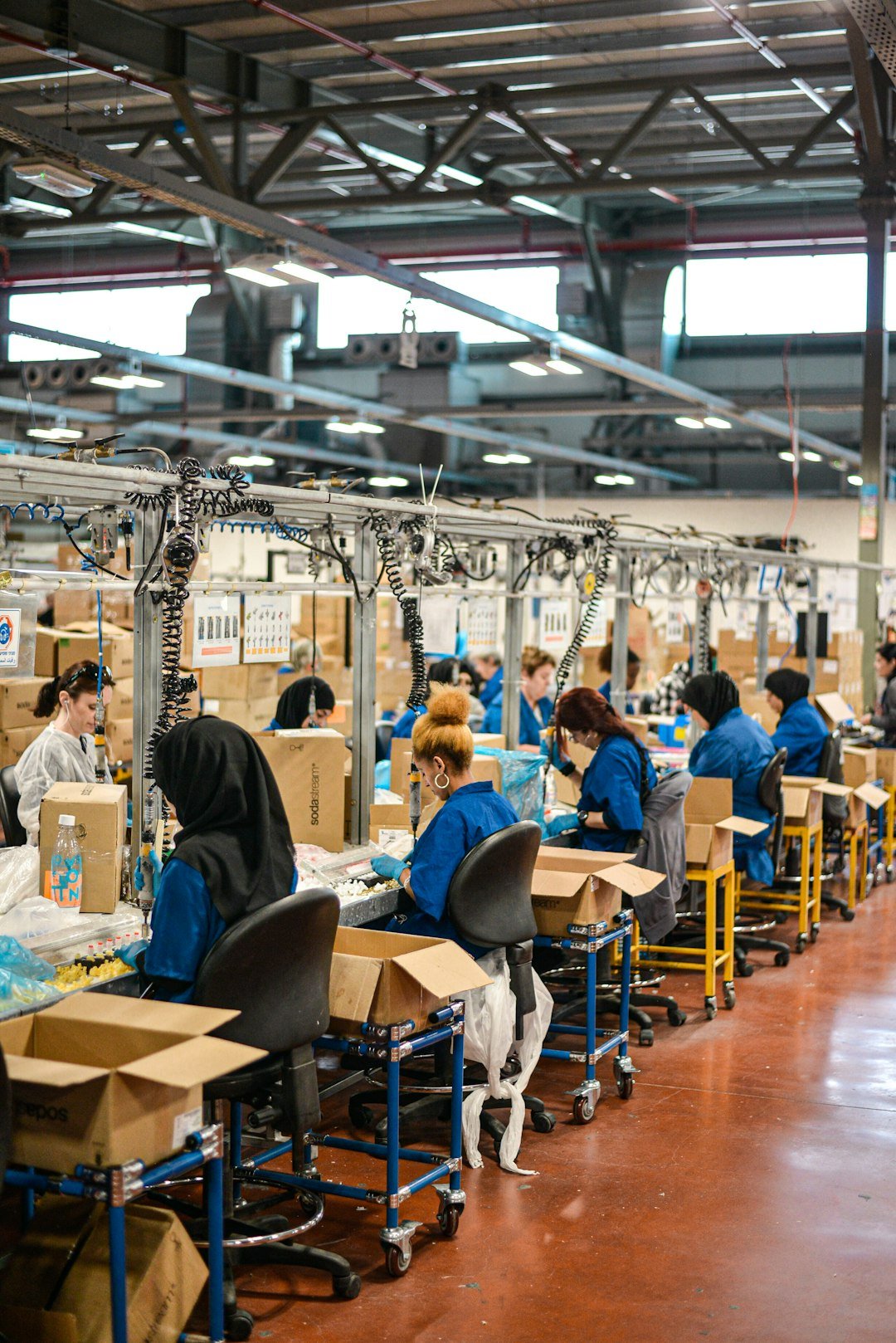
Industrial clusters form around raw material access, a specialised labour pool, and a dense local supply chain for components. Once a cluster exists, it becomes self-reinforcing — a tile factory in Foshan can source glaze, moulds, packaging, kiln parts and skilled kiln operators within an hour’s drive. A tile factory elsewhere cannot.
For a buyer, three practical consequences follow:
- Price competitiveness is highest inside the cluster. Component costs and logistics are lower.
- Options are deepest inside the cluster. If the first factory cannot meet a specification, the fifth one might.
- Suppliers outside the cluster are usually intermediaries. Not always — but a “tile manufacturer” registered a thousand kilometres from any ceramic cluster warrants a closer look at the business licence.
The main hubs, by product
| Hub | Province | Primarily known for | Nearest major port |
|---|---|---|---|
| Foshan | Guangdong | Ceramic and porcelain tiles, sanitary ware, kitchen cabinets, furniture, aluminium profiles | Guangzhou / Shenzhen |
| Guangzhou | Guangdong | Trade and consolidation, building materials markets, furniture, decorative materials | Guangzhou (Nansha) |
| Shenzhen | Guangdong | Electronics, lighting control, hardware, smart building products | Shenzhen (Yantian, Shekou) |
| Zhongshan | Guangdong | Lighting — chandeliers, ceiling fittings, LED, outdoor lighting | Guangzhou / Shenzhen |
| Linyi | Shandong | Timber, plywood, flooring, stone, general building materials trade | Qingdao |
| Quanzhou / Xiamen | Fujian | Natural stone, ceramics, sanitary ware, hardware | Xiamen |
| Wuxi / Jiangsu belt | Jiangsu | Steel structure, metal fabrication, industrial building systems, cable | Shanghai / Ningbo |
| Ningbo | Zhejiang | Hardware, tools, fasteners, plastics, plumbing components | Ningbo-Zhoushan |
| Yiwu | Zhejiang | Small goods, hardware, fittings, accessories, mixed-category consolidation | Ningbo |
| Tianjin / Hebei | North | Steel, structural sections, glass, insulation | Tianjin |
| Shanghai | — | Trade, quality control services, freight, high-spec glass and façade | Shanghai (Yangshan) |
Hub specialisations shift over time as industries relocate for cost and environmental policy reasons. Treat the table as a starting map, not a fixed directory.
Foshan: the single densest hub for interior finishes
If you are sourcing tiles, sanitary ware, kitchen cabinets or furniture, Foshan is where the supply chain lives. The Chancheng and Nanhai districts host a concentration of ceramic production and showroom trade that has no real equivalent elsewhere in the country. Whole streets are given over to a single product category.
The practical implication is that a buyer sourcing tiles and flooring, sanitary ware and kitchen cabinets can source all three from within a single city — which makes sample coordination, factory visits and inspection dramatically cheaper than sourcing the same three categories from three provinces.
The catch: Foshan’s showroom density means many “factories” a buyer meets there are showrooms operated by trading companies. Verification matters more here, not less, precisely because the environment feels so credible.
Guangdong more broadly: aluminium, glass and doors
The aluminium extrusion industry in Guangdong supports a large part of China’s window and door production. Buyers sourcing aluminium and uPVC window systems, sliding and casement doors will find the majority of capable factories in this province, with a secondary concentration in Shandong.
Architectural glass and curtain wall and façade glazing systems are produced across Guangdong, Jiangsu and Hebei. Curtain wall in particular is a systems product rather than a commodity — the factory needs engineering capability, not just glass. Screen for that specifically.
Jiangsu and the northern belt: structural products
Steel structures, pre-engineered buildings and structural sections come predominantly from Jiangsu, Hebei, Shandong and Tianjin, near the steel mills. These are heavy, high-volume products where inland transport to port is a real cost line, so hub choice affects your FOB price directly.
Wuxi, in southern Jiangsu, sits inside this belt with road access to both Shanghai and Ningbo ports — one of the reasons it functions well as a coordination base for mixed-category project orders.
Choosing a hub: what it changes for your order
| Decision | Effect of hub choice |
|---|---|
| Unit price | Inside-cluster factories are usually cheaper for the same specification |
| Sample lead time | Local supply chain means faster sample turnaround |
| Inspection cost | Multiple suppliers in one city means one inspection trip instead of four |
| Inland freight | Distance to the loading port is a real cost, especially for heavy goods |
| Consolidation | Categories sourced near each other are cheaper to consolidate |
| Port of loading | Determines your FOB point and sailing schedule options |
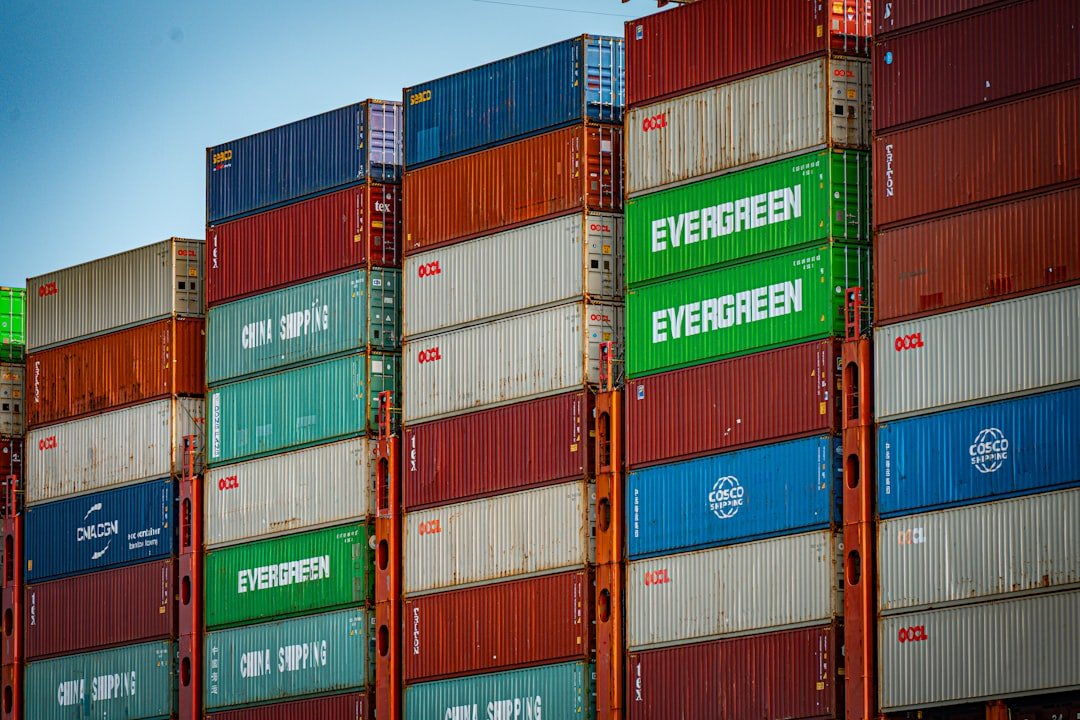
The consolidation point is the one buyers underestimate. Sourcing tiles from Foshan, steel from Hebei and lighting from Zhongshan means three inland movements to a single consolidation warehouse before the container is even stuffed. That cost is real and it belongs in your comparison.
Related: FCL vs LCL for construction material shipments · How to calculate landed cost on building materials from China
Trade fairs: seeing several hubs in one week
For buyers who cannot tour multiple provinces, trade fairs compress the search. The Canton Fair in Guangzhou remains the largest general sourcing event, running twice yearly across multiple phases, with building materials, hardware and lighting concentrated in specific phases. Regional and category-specific fairs cover ceramics, stone and furniture separately.
A fair is good for shortlisting and bad for verifying. The booth tells you a company exists and has a catalogue. It does not tell you whether they own the production line. Treat the fair as the start of verification, not the end of it.
Related: How to verify a construction manufacturer in China · Factory vs trading company
Sourcing across hubs without travelling to each one
The hub map is useful precisely because a multi-category BOQ will always cross several of them. A hotel fit-out needs Foshan for finishes, Zhongshan for lighting, Jiangsu or Hebei for structural elements, and Ningbo for hardware — four provinces, four inspections, four shipments if handled independently.
JEES Global works across these hubs from a Wuxi base, with active sourcing in Foshan, Guangzhou, Shenzhen, Xiamen, Quanzhou, Ningbo, Tianjin and Linyi. For a buyer, that means one coordinator handling factory identification in each relevant cluster, one comparative quotation across the whole material list, and one consolidated container instead of four part-loads.
Frequently asked questions
Is it cheaper to buy directly from the manufacturing hub?
Usually the unit price is lower inside the cluster, yes. Whether the total landed cost is lower depends on order size, inland freight, inspection travel and how many categories you are managing at once.
How do I know if a supplier is really in the hub they claim?
Check the registered address on the business licence against the claimed factory location, and ask for a live video walkthrough rather than photographs. A trading company will usually have a registered address in a commercial district rather than an industrial zone.
Can one factory supply multiple categories?
Rarely genuinely. A company offering tiles, doors, lighting and furniture is almost always trading most of that range. That is not automatically a problem — but you should know it, because it changes what can be customised and where the margin sits.
Which port will my goods ship from?
It follows the hub. Guangdong production usually loads at Guangzhou or Shenzhen, Fujian at Xiamen, Zhejiang and southern Jiangsu at Ningbo or Shanghai, northern production at Tianjin or Qingdao.
Tell us what you are sourcing
Send your material list or BOQ with the destination port. You will get back verified factory options in the right hub for each category, with a comparative quotation and a realistic consolidation plan.